REVIEW · LYON
Half-Day Cotes du Rhone Private Wine Tour from Lyon
Book on Viator →Operated by KANPAI TOURISME · Bookable on Viator
One short drive out of Lyon and you’re in wine country. This half-day private trip focuses on northern Côtes du Rhône terroir, with big-name styles like Côte-Rôtie, Condrieu, and St Joseph. You’ll see Vienne’s Roman theatre first, then trade city views for steep vineyard hills that feel like they’re built for walking.
I love how the guide connects what you see to what you taste. Two things I really like: the chance to try 11/12 wines in a structured tasting flow, and the private format where you can ask questions without feeling like you’re on a conveyor belt. The guide’s explanations (in English, Spanish, and French) also help you make sense of why the same grape can taste totally different.
One consideration: there’s no lunch, so plan a real meal before or after. Also, this is a wine-tasting tour, so the minimum age is 18 for tasting in France.
In This Review
- Key things I’d watch for
- Why northern Côtes du Rhône from Lyon feels different than a standard tasting
- Vienne’s theatre stop: views, Roman setting, and an easy warm-up
- Ampuis and the steep slopes: why 30–60 degree hills matter
- Condrieu and Viognier: where the story connects to the flavor
- Tupin-et-Semons: a first family winery visit and a vineyard-focused tour
- Chavanay: barrel-aging know-how and another full tasting flight
- How the 4 hours 30 minutes actually works for your day
- Price and value: what $145 buys you (and why it’s not just a tasting)
- The guide experience: what makes the learning stick
- Practical tasting tips for what you’ll likely drink
- Who should book this tour, and who might skip it
- Should you book? My take on the decision
- FAQ
- How long is the Half-Day Côtes du Rhône Private Wine Tour from Lyon?
- What’s included in the wine tastings?
- Does the tour offer pickup in Lyon?
- What languages does the guide speak?
- Is lunch included?
- What are the tasting rules for age?
- Is this tour private?
- Is it easy to manage if plans change?
Key things I’d watch for
- Vienne first, then wine: you start with Roman-theatre views and Rhone Valley panoramas before you taste a drop.
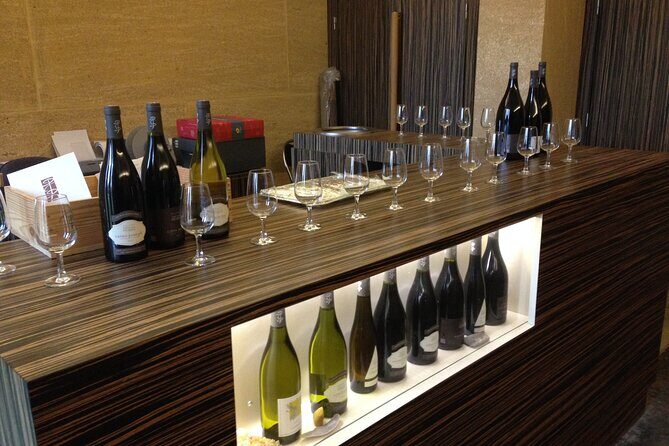
- 11/12 wine tastings: you taste across multiple appellations, not just one safe crowd-pleaser.
- Steep hillside context: you’ll hear why terraces and extreme slopes matter for Côte-Rôtie style.
- Two winery visits: one side leans toward vineyard work; the other highlights barrel-aging craft.
- Private, small-group feel: it’s built around your group’s pace and questions.
Why northern Côtes du Rhône from Lyon feels different than a standard tasting
Lyon is great for food, but it can tempt you into doing wine the easy way: one tasting room, one flight, out the door. This tour changes the rhythm. You get a guided run through appellations that actually explains what’s happening in the glass.
You also get context. Northern Côtes du Rhône is famous for detail—steep slopes, careful grape work, and precise decisions in the cellar. Seeing the hills and learning the terms makes tasting feel less random, more like reading a map.
And the private angle matters. When your group is small, you can ask why Syrah tastes a certain way in St Joseph versus Côte-Rôtie, or what Viognier does differently in Condrieu.
Other Lyon wine tasting experiences in Lyon
Vienne’s theatre stop: views, Roman setting, and an easy warm-up
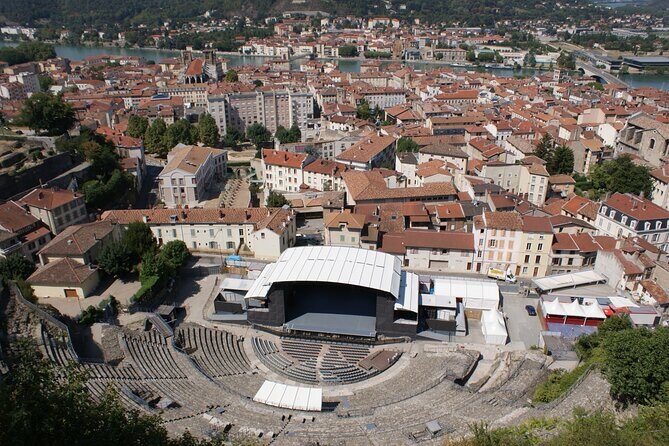
The tour begins with a quick stop in Vienne. You’ll take in the Theatre de Vienne—a Roman theatre with the scale to make your brain do that fun thing where it suddenly zooms out to 2,000 years ago.
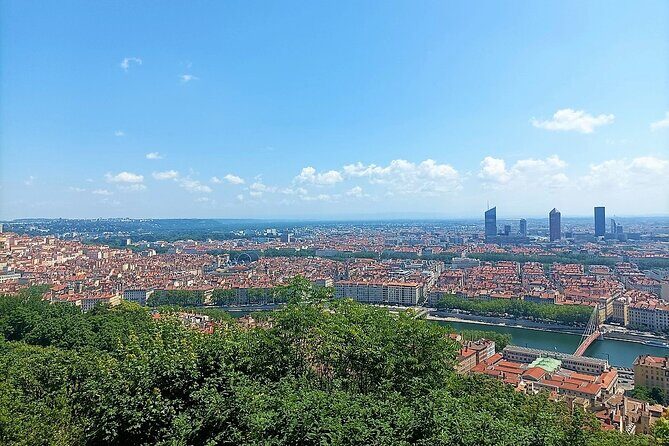
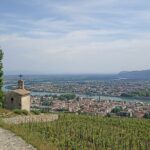
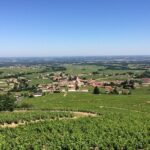
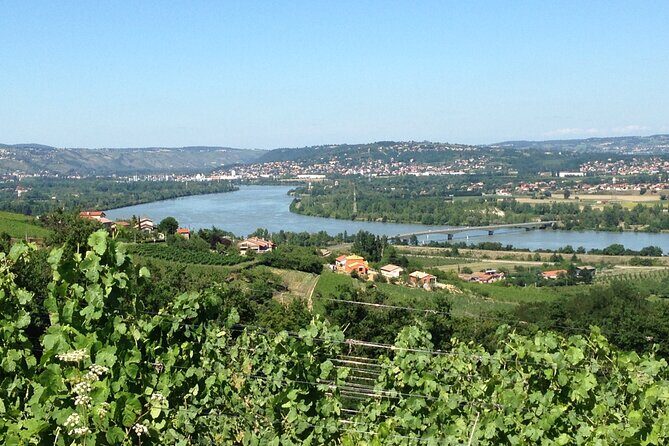
After the theatre, you get panorama views over the Rhone Valley. It’s not just scenery for scenery’s sake. This is a smart warm-up because it puts you in the right geography before the guide starts talking terroir—how climate, slope, and soil shape wine.
Practical upside: the admission ticket for the theatre stop is listed as free, and the stop is short (around 15 minutes). So you won’t feel like you lost half your tour to a single photo stop.
Ampuis and the steep slopes: why 30–60 degree hills matter
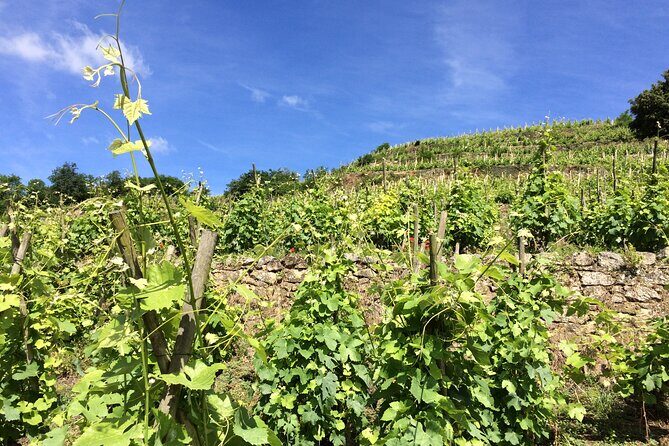
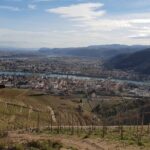
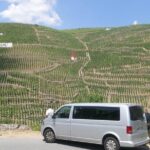
Next comes the wine-core drive through Ampuis. The focus here is Côte-Rôtie territory, and it’s hard to miss the point: these vineyards aren’t gentle rolls. The tour highlights precipitous, terraced slopes with angles described around 30 to 60 degrees, sun-facing and close to the Rhône River.
Ampuis is also described as the world capital of the Shiraz grape. That matters because Côte-Rôtie is built around Syrah, and the guide connects the dots between the grape and the hills where it grows. When you hear terms like Côte Brune and Côte Blonde (the idea of different slopes), it stops being “wine vocabulary” and starts being “why this glass tastes how it does.”
One thing I appreciate here is the way the tour frames the landscape as a winemaking tool. Steep ground isn’t just dramatic. It affects water drainage, sun exposure, and how grapes ripen—so you get a better chance of tasting differences instead of just sampling.
Condrieu and Viognier: where the story connects to the flavor
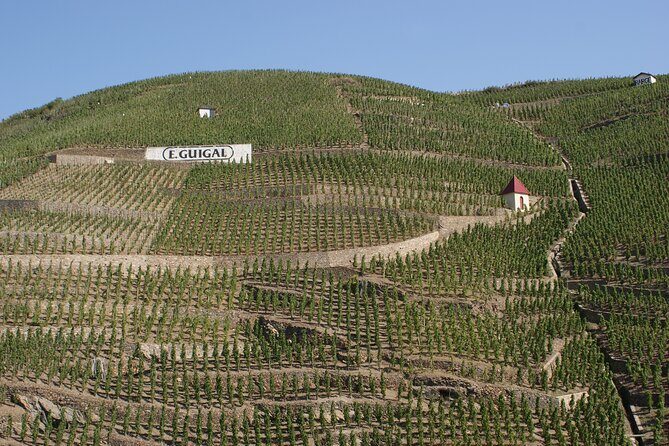
Later, the route continues through Condrieu, described as the birth town of the Viognier grape. Condrieu is one of those appellations where people either get it quickly or they need a guide to translate it.
You’ll hear the story of Viognier nearly dying back a few years ago. Even if you don’t catch every detail, the bigger idea lands: this grape survived because growers and producers cared enough to keep it alive—and that care shows up in the wine style.
Then comes the tasting payoff: when Viognier appears later in your flights, you’ll be tasting with a story in your head. That’s a big reason this kind of tour feels better than a generic sampling.
Tupin-et-Semons: a first family winery visit and a vineyard-focused tour
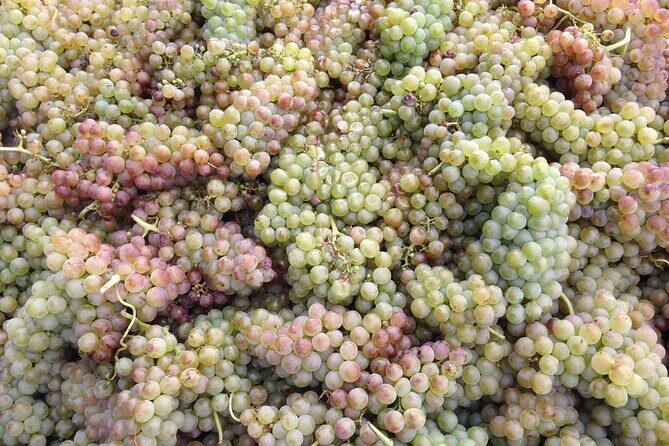
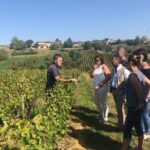
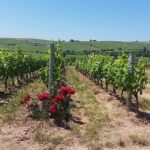
Your first winery stop is in Tupin-et-Semons. Here, the tour goes into a private vineyard walkthrough at a family Côtes du Rhône estate.
What makes this stop worth your time is the emphasis on season-long grape-growing work. You’re not just shown vines and told they’re pretty. The guide explains different operations grape-growers do across the season to reach the best possible quality of grapes. That’s exactly what helps you understand why one vintage or producer can taste more refined than another.
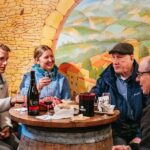
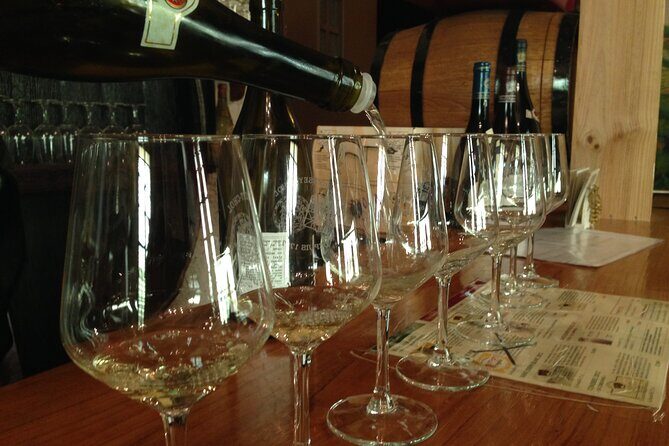
After the vineyard visit, you move to the tasting room for 5–6 wines. The tastings are specifically connected to northern Côtes du Rhône appellations, including wines like Côte-Rôtie, Condrieu, and St Joseph crus.
If you want to learn, this is the stop where your questions will matter. Ask how the slope or the cellar choices affect what you’re tasting. With a private group setup, you’re more likely to get answers that connect to your glass, not just a standard script.
Other Rhone Valley and Cotes du Rhone wine tours in Lyon

Chavanay: barrel-aging know-how and another full tasting flight
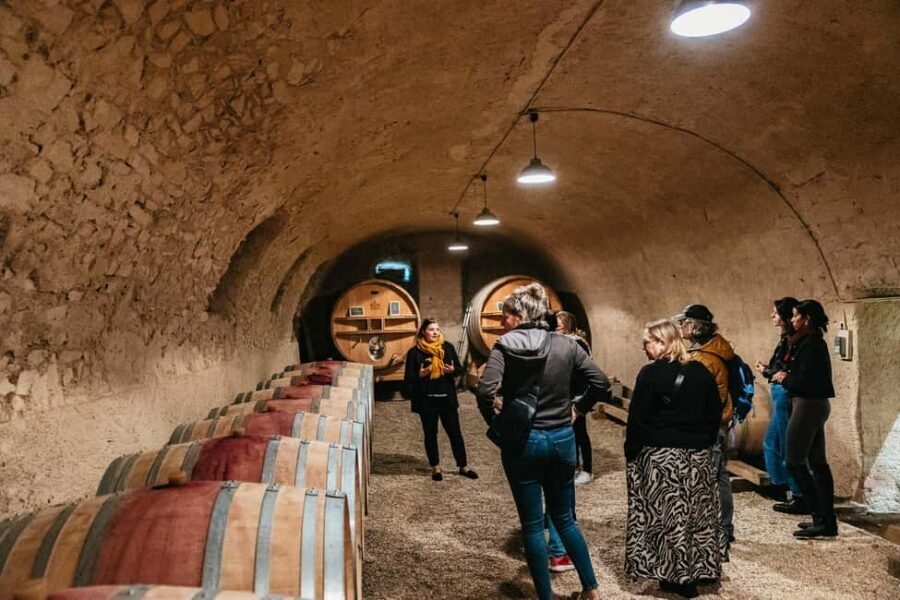
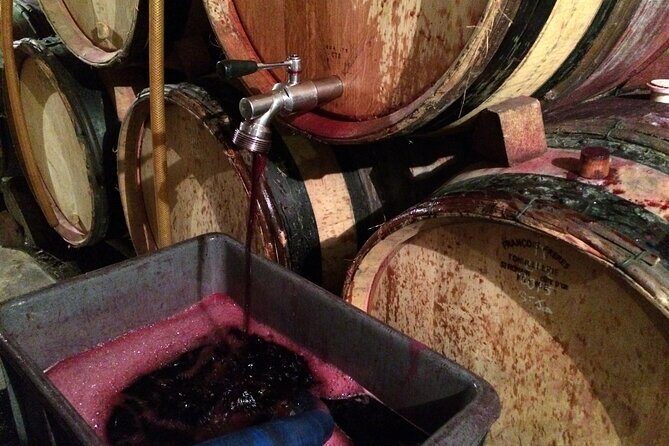
The tour then heads to Chavanay for a second winery visit. This one is structured around the wine-making side—how the estate handles savoir-faire and barrel aging.
This stop is valuable because it balances the earlier vineyard focus. Vine to bottle is the full chain, and it’s easy to forget that the cellar can change the impression of a grape. Here, you’ll learn the art of barrel aging, which matters a lot for texture, aromatic expression, and how wine settles into its final style.
Then you get another tasting of 5–6 wines. The guide highlights intense aromatic Viognier and the near-perfect expression of Syrah (Shiraz) in its birth regions. Even if you’re not a super-nerdy wine person, you’ll likely notice how this second set of tastings feels different from the first—because now you’ve seen more of the cellar logic behind the wine.
How the 4 hours 30 minutes actually works for your day
This is a half-day tour (about 4 hours 30 minutes). For planning, that means it fits well if you’re doing other Lyon sights the same day, or if you’re on a tighter schedule like a work trip.
Pickup is offered, and the tour uses a high-comfort vehicle with air-conditioning. That’s not flashy, but in real life it matters—especially when you’re moving between viewpoints and estates in a limited time window.
The tour also lists that it’s near public transportation and uses a mobile ticket. So if you’re staying outside the most central hotel zones, you’re not automatically stuck.
No lunch is included, so I’d treat this like a tasting + education outing: eat first, then enjoy the wine responsibly. If you want a meal after, you’ll be happier with more energy and fewer decisions made while buzzed.
Price and value: what $145 buys you (and why it’s not just a tasting)
At $145, it’s not “cheap,” but it’s also not priced like a fancy long day tour. The value comes from the structure: you’re getting multiple tastings plus two guided winery experiences plus the ride and commentary connecting geography to wine.
You’re tasting 11/12 wines, which changes the math. If you do a tasting room on your own, you might pay for fewer samples and still miss the “why.” Here, you get appellation context (Côte-Rôtie, Condrieu, St Joseph, and more) and a guide who can explain the differences in plain language.
It also helps that multiple language options are offered—English, Spanish, and French—so you’re not limited to one group’s needs.
And the private nature matters if your group wants to move at a comfortable pace. Reviews associated with this tour name Olivier (Olivier Delalande), and mention how responsive and helpful he was, plus how he explained vineyards in both English and French. That kind of attention is hard to replicate if you only book a generic bus-and-taste route.
The guide experience: what makes the learning stick
A good wine guide doesn’t just name wines. They explain cause and effect: why a slope and a soil decision leads to a flavor and aroma profile you can actually detect.
This tour’s guide covers terroir and the regional geography, then pairs it with tastings at both vineyard and winery stops. That pairing is what makes the information stick. You learn a concept, you see a place connected to it, and then you test your understanding with real wine.
If you like asking questions, the private format supports that. If you don’t know much about wine yet, don’t worry—you can still follow along because the itinerary is set up as a guided learning path, not a test.
Practical tasting tips for what you’ll likely drink
You’ll likely taste a mix of Syrah-based wines and Viognier (since Côte-Rôtie, Condrieu, and St Joseph are part of the flight list). Here are simple ways to get more out of it:
- Start by comparing aromas before you judge flavors. Viognier in particular tends to reward smell-first tasting.
- Notice texture. Syrah can range from lighter to more structured depending on how the wine is made.
- Take notes on only the differences that matter to you. You don’t need a full tasting journal—just a couple of quick cues so you can remember what you liked later.
And remember: wine tasting in France has an 18+ age rule. Plan accordingly for anyone under that age in your group.
Who should book this tour, and who might skip it
This tour is a great fit if you want:
- A structured northern Rhône introduction from Lyon without spending a full day traveling.
- Multiple tastings across major appellations (not just a quick flight).
- A private guide who explains terroir and winemaking decisions in a way you can use while you taste.
You might skip it if:
- You’re not interested in learning at all and just want a casual one-room tasting.
- You need lunch included (since it isn’t part of this tour).
- Your group expects an ultra-long winery day—this is focused and time-managed.
Should you book? My take on the decision
If you’re in Lyon and you care about doing wine the smart way—seeing the place, understanding the styles, then tasting with context—this is an easy yes. The combination of Vienne views, steep Côte-Rôtie terrain, and two winery visits is the right package for a half day.
The biggest reason I’d book is the balance: vineyard work in Tupin-et-Semons, then barrel-aging and cellar craft in Chavanay, with 11–12 wines to connect everything.
Just go in fed, ready to taste responsibly, and curious. If you do that, you’ll leave with more than a few bottles you recognize—you’ll understand the difference between the regions in your glass.
FAQ
How long is the Half-Day Côtes du Rhône Private Wine Tour from Lyon?
It runs for approximately 4 hours 30 minutes.
What’s included in the wine tastings?
Wine tasting is included, with 11/12 wines sampled during the tour.
Does the tour offer pickup in Lyon?
Pickup is offered.
What languages does the guide speak?
The guide provides commentary in English, Spanish, and French.
Is lunch included?
No lunch is included on this tour.
What are the tasting rules for age?
The minimum age for wine-tasting is 18 years old in France.
Is this tour private?
Yes. It’s a private tour/activity where only your group participates.
Is it easy to manage if plans change?
Confirmation is received within 48 hours of booking (subject to availability), and there is free cancellation up to 24 hours in advance for a full refund.