REVIEW · LYON
Audio-guided tour of Old Lyon
Book on Viator →Operated by REWIND · Bookable on Viator
Old Lyon can feel like a live movie set, and this audio route makes it easier to follow. I like that the guide links to your smartphone and triggers in each spot, so you’re not constantly hunting for what comes next. You also get an 11-stop loop through the parts of Lyon tied to silk transport, local slang, and even Guignol.
The best part for me is the mix of what you’ll see. You’ll go from big-ticket landmarks like Cathedrale Saint-Jean-Baptiste to playful stops like the Cinema Museum (with miniature scenes inspired by pop culture) and Musée des arts de la marionnette – Gadagne for Guignol. One thing to think about: this is mainly self-guided, so if you expect someone to stand there and greet you at the start, you may be disappointed, and the final stop (Palais de Justice) lists ticket access as not included.
You’re also choosing your own pace. The route is designed for roughly 1 hour to 1 hour 50 minutes, with about 10 minutes per stop, but you can linger where the story clicks. Just plan for a walking day through Old Lyon’s covered passages and street-level sights, and keep your phone charged so the audio keeps playing.
In This Review
- Key highlights worth your time
- Old Lyon by audio: why the traboules and stories work together
- Starting at Fontaine Saint-Jean: how to stay oriented on the loop
- Cathedrale Saint-Jean-Baptiste and Maison du Chamarier: where Lyon shows its civic power
- Musée du Cinema et de la Miniature: when miniatures turn history into a visual joke
- La Longue Traboule and the Food Traboule: the silk corridors you can actually picture
- Musée des arts de la marionnette – Gadagne: Guignol, Lyon’s puppet side
- Traboule “Maison du Crible – Tour Rose”: the tax collector’s residence angle
- Place du Change and Place du Gouvernement: where money and authority met
- Galerie Philibert de L’Orme: Renaissance architecture with a name you can use
- Le Palais de Justice and the Klaus Barbie trial: the one stop that can cost extra
- Price and value: what $11.56 gets you in real terms
- A few smart tips before you go
- Should you book Old Lyon with this audio route?
- FAQ
- How long is the Old Lyon audio tour?
- Where does the tour start?
- Where does the tour end?
- How much does the tour cost?
- Is the tour guided by a person?
- How many stops are included?
- Are admissions included at the stops?
- What topics will the audio cover?
- Is the tour private?
- Are service animals allowed and is it near transit?
Key highlights worth your time
- Smartphone audio that auto-starts at each location, with a map so you stay oriented
- 11 different stops covering cathedrals, squares, museums, and working silk-era passageways
- Traboules in three modes: the longest one, a restored food passage, and a tax-collector’s residence
- Cinema and puppets in the same walk: Musée du Cinéma et de la Miniature plus Guignol at Gadagne
- One notable paid ticket stop at Palais de Justice (other stops are listed as free)
Old Lyon by audio: why the traboules and stories work together
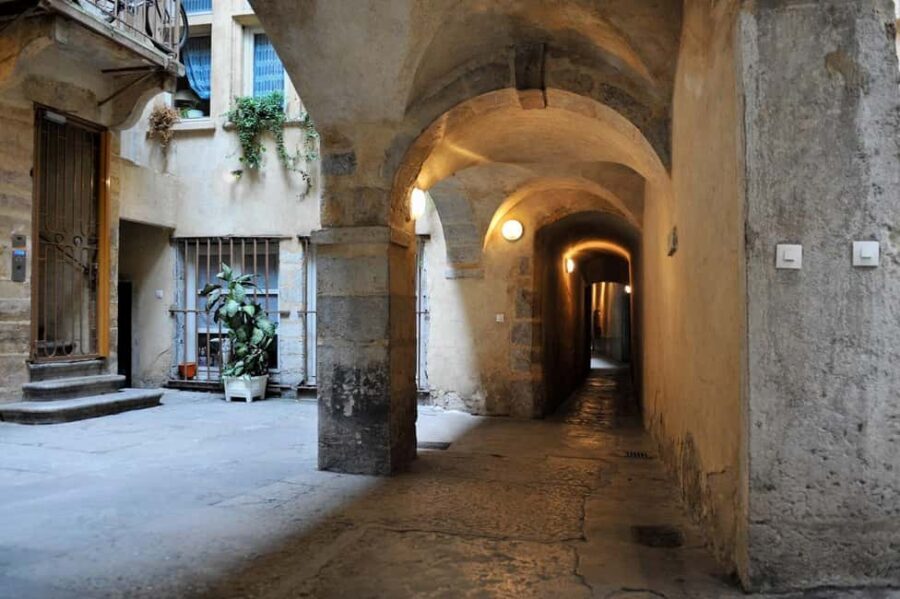
Vieux Lyon (Old Lyon) is UNESCO-listed, and it shows in the way the buildings and passageways fit together. The route leans hard into that silk-transport past: covered passageways, called traboules, were built so people and goods could move through the city without going out into the weather.
What makes an audio guide especially good here is that you can slow down exactly where Lyon’s details matter. A plain walk through the lanes is pretty, but the stories give you handles: what you’re looking at, why it exists, and what Lyon locals used to say about it. I also like the balance: it’s not only big monuments. You get civic buildings, quirky local history, and the city’s puppet tradition.
And yes, there’s enough variety that your attention won’t flag. A cathedral, then a traffic-and-roads house name, then a cinema miniature scene, then puppets, then passageways that turn into a food stop. It’s a smart way to make Old Lyon feel like one connected place, not 11 random photo stops.
Other Vieux Lyon and Old Town walking tours in Lyon



Starting at Fontaine Saint-Jean: how to stay oriented on the loop
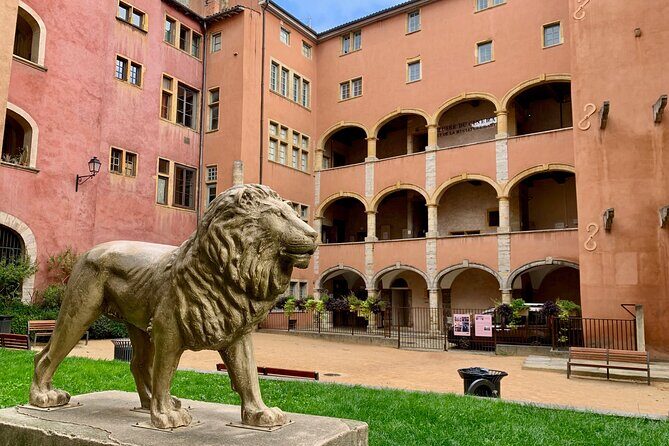
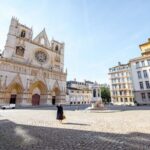
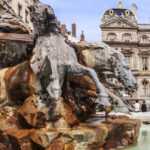
The tour starts at Fontaine Saint-Jean in Pl. Saint-Jean (69005 Lyon). It ends in front of the Palais de Justice near Quai Romain-Rolland, also in the 69005 area. Between those points, you follow the audio prompts as you move from stop to stop.
Because the guide triggers automatically, your job is mostly simple: arrive at each location, put your phone on, and let the next segment start. You’ll want headphones you can tolerate for an hour-plus, since this is an audio-first experience and you’ll be walking between sights.
Timing is also built into the experience. The route is designed for around 10 minutes per stop, so if you keep a steady walking rhythm you’ll land in the right zone for a 1-hour to 1-hour 50-minute outing. I’d treat that as a realistic window for most people, then add extra time if you pause for photos or want to stay longer at the museum-style stops.
Cathedrale Saint-Jean-Baptiste and Maison du Chamarier: where Lyon shows its civic power
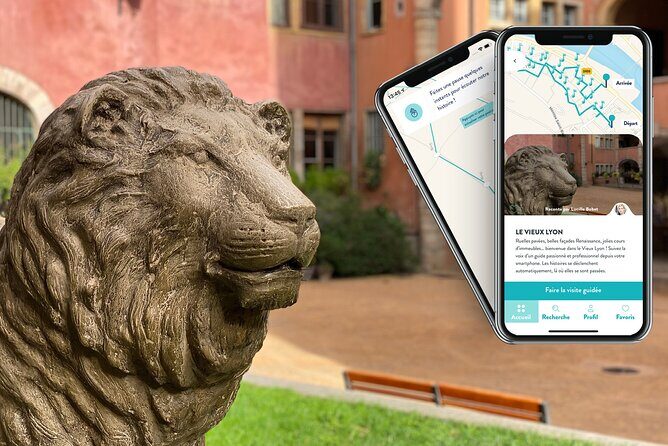
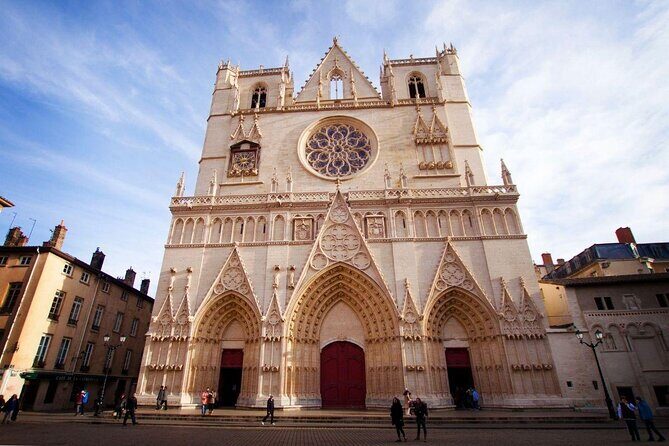
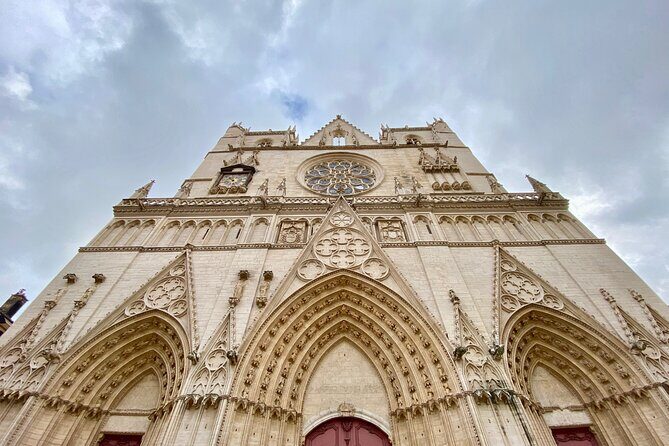
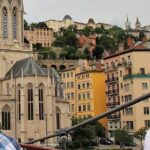
Stop one is Cathedrale Saint-Jean-Baptiste de Lyon. The audio frames it as a key early church in France, which helps you understand why it’s such a starting point for a walk through Old Lyon. It’s listed as about 10 minutes, with admission ticket listed as free.
Then you move to Maison du Chamarier, which is named for the person connected with roads, traffic route functioning, and neighborhood security. That name alone is a fun clue: in Lyon, even the infrastructure has a story, and the audio makes you look past the façade to the job behind it. Again, the stop is about 10 minutes and marked as free admission.
Practical note: these early stops are where your “mental map” gets built. If you take 5 extra minutes at the cathedral and then move quickly through the name-and-story building, you’ll still get the arc. But if you rush both, you might miss the contrast that makes later surprises land harder—especially the traboules.
Musée du Cinema et de la Miniature: when miniatures turn history into a visual joke
At Musée du Cinema et de la Miniature, you’re switching gears from architecture and civic roles to images you can process instantly. The audio calls out striking miniature scenery, including inspiration from the Alien Queen from Alien vs Predator.
This is one of those stops that’s great even if you’re not a museum person. Miniatures help you “read” a scene quickly, and the story behind the museum gives you a reason to look closely, not just scan for cool props. Admission is listed as free for this stop, and it’s designed for about 10 minutes.
One consideration: a museum stop can be what slows your schedule, because you might want to circle back and look from different angles. If you’re the type who can’t walk past a detail, plan a little extra time here so you don’t feel rushed at the traboules later.
La Longue Traboule and the Food Traboule: the silk corridors you can actually picture
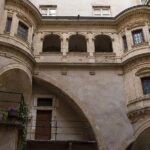
Now the route turns into what Old Lyon is famous for: the traboules. Stop four is La Longue Traboule, described as the longest traboule in Lyon and framed as a must-see. This is one of the places where the audio approach pays off. You’re moving through a space that once mattered for everyday transport, so the stories help you imagine the old function while you walk the modern passage.
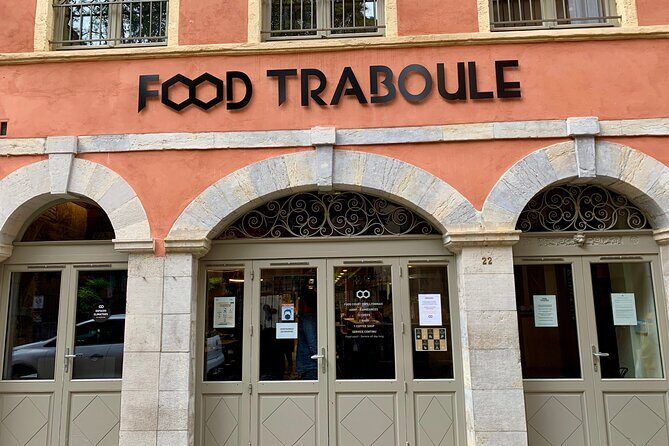
Stop six is the Food Traboule, which takes that same passage idea and flips it. It’s described as an old passage restored and converted into a food court, made possible by a concept developed by restaurant owners from Lyon. The payoff is practical: when you finish walking, the passage becomes a place you can actually use.
Here’s why I like this pairing. The Long Traboule teaches you how Lyon used to move. The Food Traboule teaches you how Lyon reuses its bones today. You get both eras in the same walking stretch.
If you’re sensitive to crowds or want a quiet moment, consider that a food passage is often busier than a pure heritage lane. You can still enjoy the story segment without waiting around too long, then come back later if you want a meal.
Other guided tours in Lyon




Musée des arts de la marionnette – Gadagne: Guignol, Lyon’s puppet side
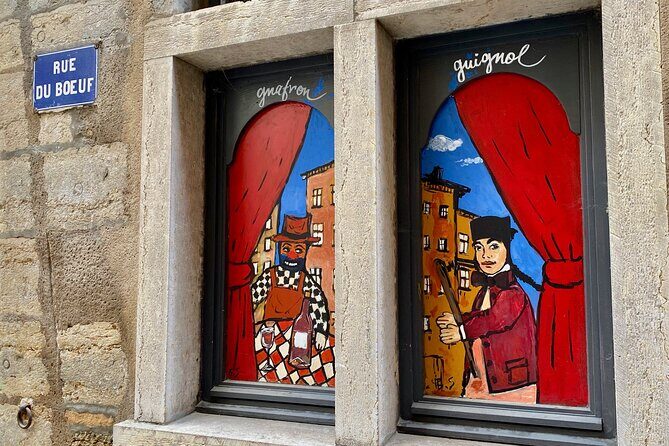
Stop five is Musée des arts de la marionnette – Gadagne. This is the Guignol stop, and the audio treats it as emblematic Lyon culture rather than a niche distraction.
Guignol matters here because it makes Lyon feel like a city with everyday characters, not only stone and dates. In a walking tour full of architecture, a puppet museum gives you a different kind of history: humor, local storytelling, and a sense of identity you can spot in the city’s details.
Admission is listed as free for this stop, and it’s also around 10 minutes. Still, with a puppet museum, the temptation is to pause longer to watch how the displays are arranged and how the audio’s framing makes you see what you might otherwise miss.
Traboule “Maison du Crible – Tour Rose”: the tax collector’s residence angle
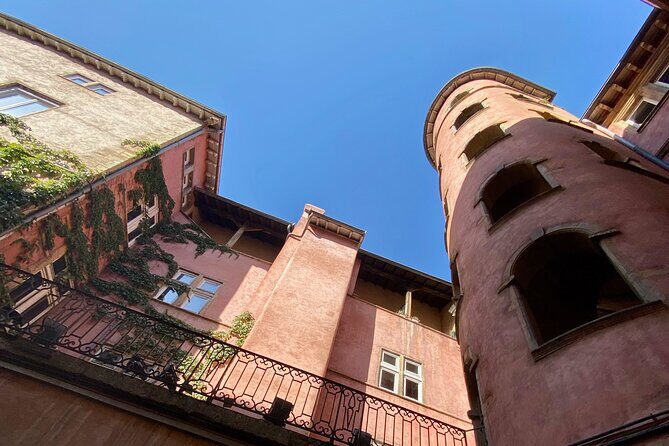
Stop seven is the Traboule “Maison du Crible – Tour Rose.” The story shifts to someone tied to taxation—described as the residence of the king’s tax collector, with the “Crible” name explained through that role.
This stop is a reminder that traboules weren’t only about charm. They connected people, power, and work. The tax-collector framing is a nice way to keep the tour grounded: even in a beautiful passage, you’re still reading Lyon’s social system.
It’s listed as about 10 minutes, with free admission for the stop. The main drawback here is timing. If you spend extra time earlier at the cinema miniature and then again at Gadagne, you might feel you’re rushing through this section. I’d rather you enjoy it slowly, but if you’re on a strict schedule, treat this as your “story and move” stop.
Place du Change and Place du Gouvernement: where money and authority met

Stop eight is Place du Change, described as a place where financial transactions took place during major fairs in Lyon. This is a story-focused stop. You’re standing in a public square, but the audio turns it into a business hub—where people came, exchanged value, and made trade practical.
Stop ten is Place du Gouvernement, tied to the former governor of Lyon, Beaujolais, and Forez. This gives you a counterweight to the money story: commerce and power in the same Old Lyon geometry.
Both stops are marked as free and about 10 minutes. These are the parts of the route where I’d put on extra attention to pacing. If you’re just photographing façades, you’ll miss the point. If you listen to the financial and authority framing, the squares start to explain themselves.
Galerie Philibert de L’Orme: Renaissance architecture with a name you can use
Stop nine is Galerie Philibert de L’Orme, tied to the great Renaissance architect Philibert Delorme (spelled in the tour details as Delorme). The audio gives you a way to spot architectural thinking rather than only admiring style.
I like this stop because it gives you a “label” for what you’re seeing. When you walk around Old Lyon and later spot similar building details, you’ll have a reference point for the Renaissance influence.
It’s set for about 10 minutes and listed as free for admission. One practical point: if you’re starting to feel museum fatigue, this is a good reset because it’s more about observation than waiting. Put your phone on, stand for the key audio moments, then move on.
Le Palais de Justice and the Klaus Barbie trial: the one stop that can cost extra
The final stop is Le Palais de Justice. The audio focuses on the court where one of the greatest trials in history took place, specifically the Klaus Barbie trial, described in the tour details as that of Klaus Barbie, the butcher of Lyon.
The key practical detail: admission ticket for this stop is not included. So this is where your budget can change. It’s also where you may need to think about time, because courts and ticketed entry can be slower than the free stops.
Why this ending works: you close with a place that signals what Lyon did with history and justice, not just what it decorated for tourists. It’s heavy, but it gives the whole walk a seriousness the earlier comedy (and cinema) doesn’t erase.
Price and value: what $11.56 gets you in real terms
At $11.56 per person, this is one of those deals that works because you’re paying for the story, not for a staffed guide driving you around. The big value driver is that there are 11 stops, and most are listed with free admission tickets.
You’re also buying time structure. The route is laid out so your walk becomes a sequence, not a choose-your-own-adventure that leaves you stuck in the “what next” phase. With the audio triggering at each location, you spend less energy figuring out logistics and more energy looking at details.
The main “cost” isn’t money. It’s attention and phone readiness. If you’re trying to do this while constantly checking maps, taking calls, or dealing with a low battery, the experience can get frustrating fast. If you’re the kind of person who likes to walk with a plan and listen when you arrive, the price feels fair.
A few smart tips before you go
- Start with a charged phone and a comfortable pair of headphones so the audio stays reliable.
- Use the roughly 10-minute stop rhythm as a guide, then adjust based on your interest in museums versus squares.
- Expect the last stop (Palais de Justice) to require extra entry steps since ticket access is not included.
- If you prefer a person-led explanation, this format might feel less satisfying because it’s mostly self-run with smartphone audio.
Should you book Old Lyon with this audio route?
Book it if you want a low-cost, self-paced Old Lyon walk that connects traboules, museums, and civic stories into one coherent route. It’s especially well-suited for couples and solo walkers who enjoy listening while moving and who like quirky local culture like Guignol.
Skip it if you need a human guide on site to explain details or handle starting instructions in person. The route is designed to work independently, and one disappointing note in the experience comes from people expecting someone to receive them at the start. If you’re okay following the phone-led flow and reading your entry instructions carefully, you’ll probably love how fast you get oriented in Vieux Lyon.
FAQ
How long is the Old Lyon audio tour?
It’s designed for about 1 hour to 1 hour 50 minutes.
Where does the tour start?
It starts at Fontaine Saint Jean, Pl. Saint-Jean, 69005 Lyon.
Where does the tour end?
It ends near Quai Romain-Rolland, in front of the Palais de Justice.
How much does the tour cost?
The price is $11.56 per person.
Is the tour guided by a person?
No. It’s an audio-guided experience that connects to your smartphone and triggers automatically at each stop.
How many stops are included?
There are 11 different stops included in Old Lyon.
Are admissions included at the stops?
Most stops list admission ticket as free, but the Palais de Justice stop lists admission ticket as not included.
What topics will the audio cover?
The audio guide covers Lyon’s history, architecture, gastronomy, cinema, and local jargon, including Guignol.
Is the tour private?
Yes. It’s described as a private tour/activity for your group only.
Are service animals allowed and is it near transit?
Service animals are allowed, and it’s near public transportation.