REVIEW · LYON
Storytelling tour of Croix-Rousse in French
Book on GetYourGuide →Operated by Cybèle · Bookable on GetYourGuide
Croix-Rousse turns into a stage for 90 minutes. I like this tour because the guide is a professional actor, so history doesn’t sit there like a textbook, it moves. I also like that you get the famous traboules plus the silk story of the canuts revolt, tied together through a walking narrative with real historical figures like Jérôme Roquet.
One thing to plan around: this is a hilly route with many stairs, so it’s not a comfortable choice if you have mobility issues or if kids are young.
In This Review
- Key points at a glance
- Where You Meet and How You Get Oriented
- The 1831 Story: Jérôme Roquet’s Morning Meets the Barricades
- Croix-Rousse Slopes and the Traboules Maze on Foot
- What You Learn About Silk, the Canuts, and the Revolt’s Origins
- How the Acting Style Changes the Tour Experience
- Timing, Pace, and Group Reality (So You Can Plan Your Day)
- Price: Why $23 Can Make Sense Here
- Who This Tour Fits Best
- Stairs and Shoes: The Practical Checklist You’ll Actually Use
- Should You Book the Croix-Rousse Storytelling Tour?
- FAQ
- Is the tour in French only?
- How long is the Croix-Rousse storytelling tour?
- Where do I meet the guide?
- What should I bring?
- Is the tour suitable for kids?
- Is the tour accessible for people with mobility impairments?
Key points at a glance
- Professional actor guide who tells the story in a way that stays easy to follow
- Traboules and passages as part of the route, not just a side note
- 1831 canuts revolt context, explained through a fictional adventure grounded in real history
- Canut daily life and silk-factory workings to help you understand why the revolt happened
- Jérôme Roquet and apprentice Tony (the grand gognant) bring the plot into focus
- French-only tour, with guides who often add memorable moments (including song from one guide)
Where You Meet and How You Get Oriented
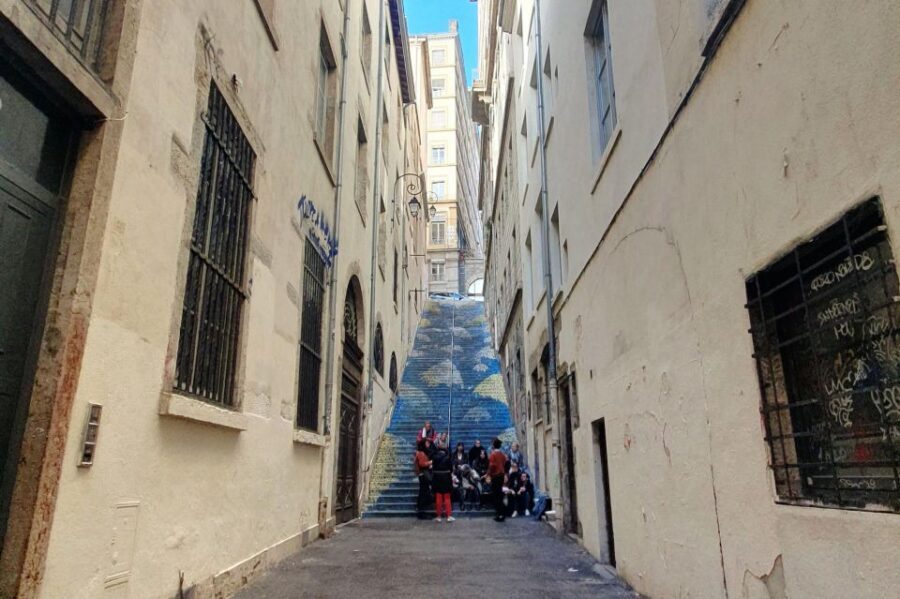
Meet your guide on the esplanade in front of 51, rue du Bon Pasteur. Look for the “Cybèle” badge. This matters because Croix-Rousse can feel like a maze of streets, and you’ll start walking right away.
Arrive a few minutes early. You’re going to want those minutes to settle your shoes and get ready for the pace, because the tour lasts 90 minutes and includes a lot of stair climbing.
Other storytelling and theatrical tours in Lyon


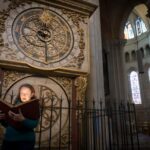
The 1831 Story: Jérôme Roquet’s Morning Meets the Barricades
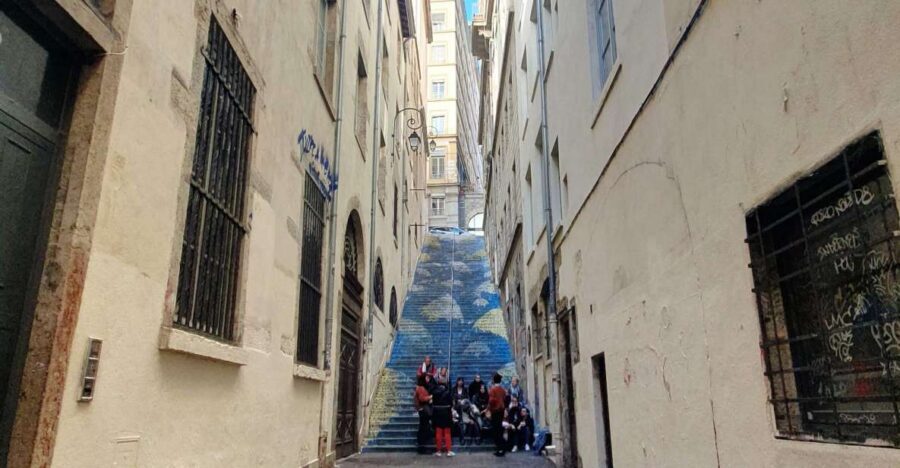
The heart of the tour is a narrated adventure set during the first revolt of the canuts in 1831. Your guide tells it through a perspective that feels personal—like you’re watching events unfold—while still keeping a historical backbone.
The plot centers on Jérôme Roquet and his apprentice Tony, called the grand gognant. The story follows the chaos of that morning: the turmoil of barricades, the pressure building behind the scenes, and the reasons the revolt ignites. Even though the adventure is fictional, it’s built from real names and real context, so you’re not just doing theater—you’re learning what drove people to act.
What I like here is the cause-and-effect pacing. You’re not handed random facts. You get the “why” behind the silk workers’ situation, then you see how that turns into public action.
Croix-Rousse Slopes and the Traboules Maze on Foot
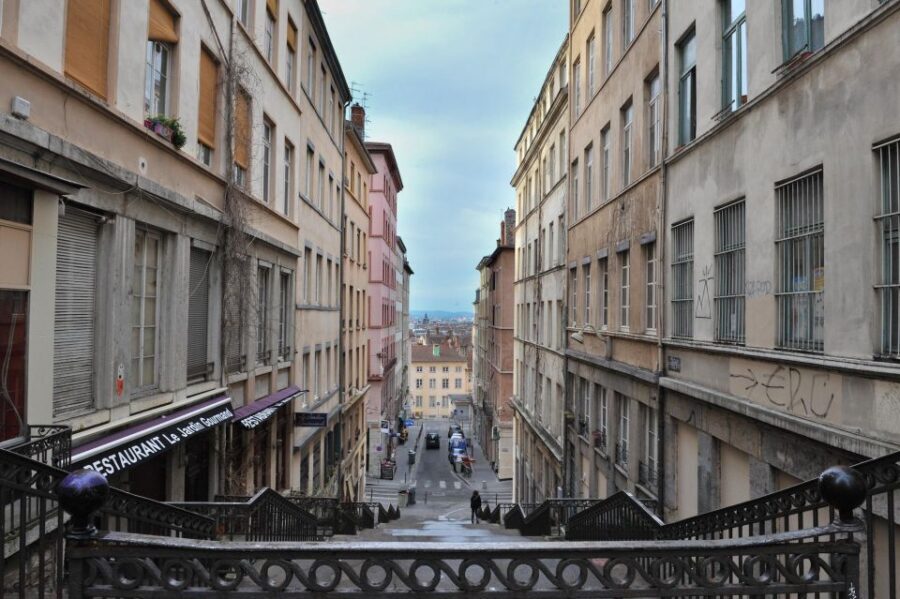
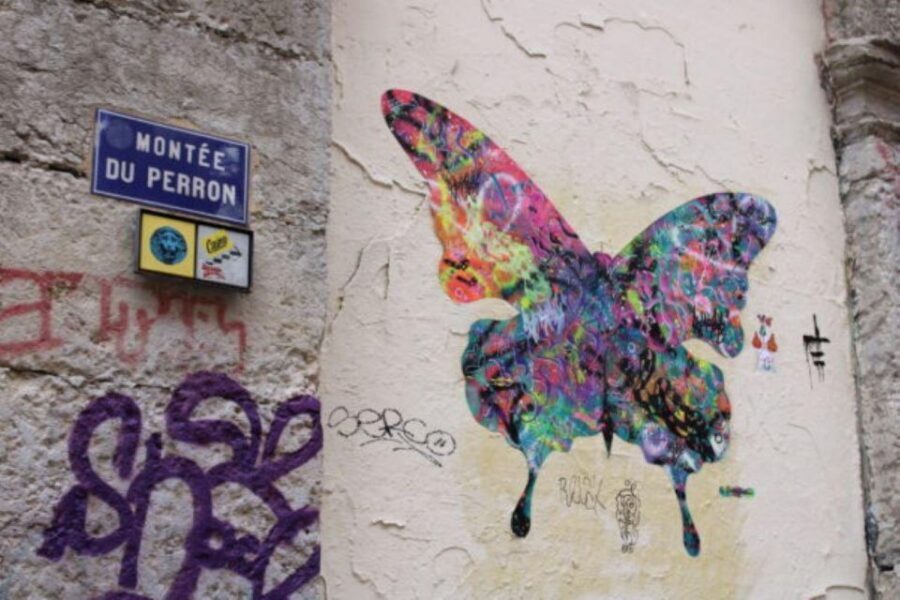
Croix-Rousse isn’t flat, and the tour uses that. You’ll move through the slopes of the hill and into the neighborhood’s mazes of traboules and passages. That choice makes sense: these lanes and passages weren’t made for sightseeing photo stops, they were part of how people actually moved and worked in the area.
As you walk, the storytelling keeps matching where you are. That’s the trick with this kind of tour: the route is part of the lesson. The traboules aren’t only for atmosphere; they also help you understand the neighborhood’s layout in a way that a map can’t.
Practical note: the tour goes through many stairs. If you’re the type who hates “short but steep” climbs, plan for it mentally before you start.
What You Learn About Silk, the Canuts, and the Revolt’s Origins
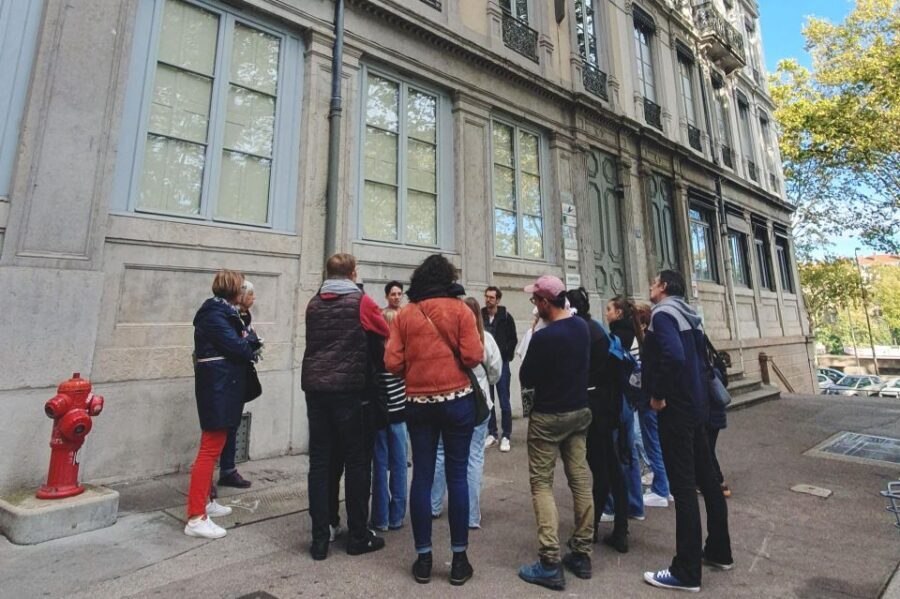
A big reason this tour works is that it explains the origins of the revolt and the basics of how the silk economy functioned. You learn about the functioning of the Silk Factory and the daily life of the canuts, not just the dramatic moment when things erupt.
Think of it like this: you’re hearing the story of people under pressure, not just the story of street drama. When you understand what work looked like, what was at stake, and how life in the silk world worked day to day, the revolt stops feeling random. It feels like an outcome.
This also helps you read the neighborhood differently after the tour. Places like stairs, passages, and street corners start to feel tied to real routines—movement, work, gathering, hiding, escaping, regrouping. That’s useful even if you don’t know anything about Lyon’s silk past before you go.
How the Acting Style Changes the Tour Experience
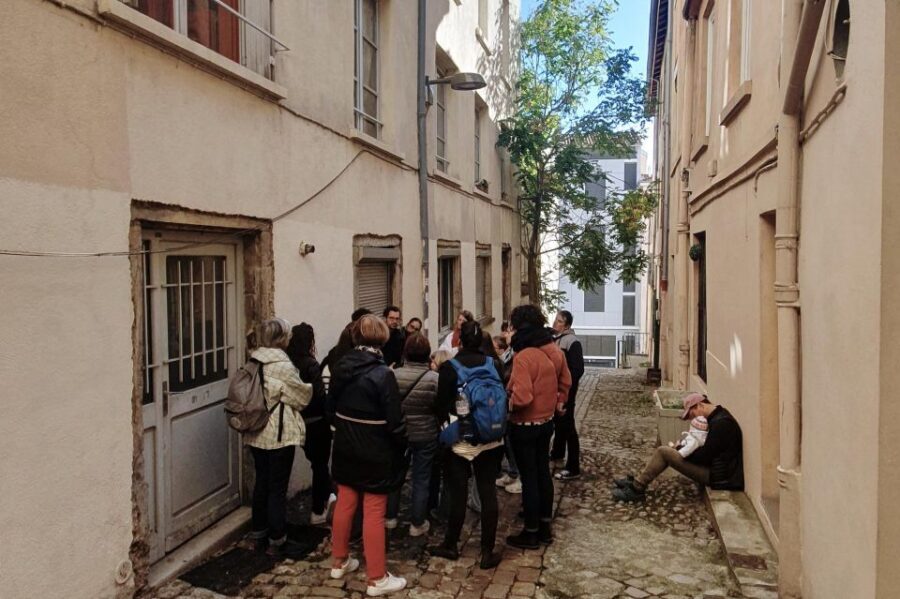
The guide is a professional actor, and that’s the difference between a normal walking tour and a story you can follow without effort. The narration is dynamic, and the best part is how it stays clear. You’re not forced to concentrate like you’re studying; you just get pulled along by the characters and the tension of the morning of the revolt.
In the reviews, you’ll see praise for specific guide performances. For example, Alexandre (listed as Agent A) is singled out for captivating storytelling and even adding a song moment. Clémence gets called out as exceptional at making the past come alive through iconic Croix-Rousse locations. Lucie also earns strong praise for setting the mood quickly.
Even if your guide brings their own style, the format stays the same: you get a narrated plot based on real history, you move through the key neighborhood spaces, and you leave with a clearer picture of what happened and why.
A small tip for you: don’t treat this as a “walk and listen in the background.” The story is designed to track with your route, so stay present. If a question pops into your mind, ask. A responsive guide can make the story even better.
Other Croix-Rousse tours in Lyon





Timing, Pace, and Group Reality (So You Can Plan Your Day)
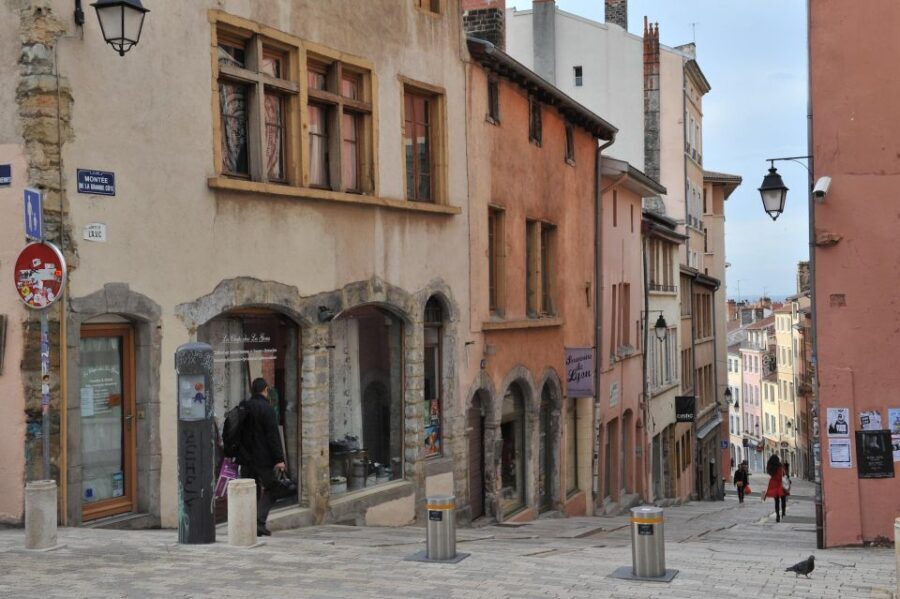
This is 90 minutes. That’s long enough to feel the story arc, but short enough that you can still do other Lyon plans afterward. It’s also a good length if you want something cultural without turning the day into a full marathon.
Because the route includes stairs and a hilly walk, plan a day that doesn’t require heavy energy right after. Bring water if you know you run hot on foot (the tour details here don’t say anything about breaks, so it’s smart to be self-sufficient). And if you’re pairing this with other Croix-Rousse or city-center stops, give yourself buffer time.
Price: Why $23 Can Make Sense Here
At $23 per person for a 90-minute French tour, the value is mostly in the format. You’re paying not just for access to the neighborhood, but for a professional actor guiding a structured story tied to specific places like the traboules.
If you’ve ever paid for a standard guide who reads facts off a page, this is different. The acting is the product. And because it’s French-only, you also get a consistent level of immersion for people who want to practice listening while learning.
Is it expensive compared with a free self-walk? Sure. But for the money, you’re buying comprehension—how the revolt’s origins connect to silk work and daily life, told in a way that sticks.
Who This Tour Fits Best
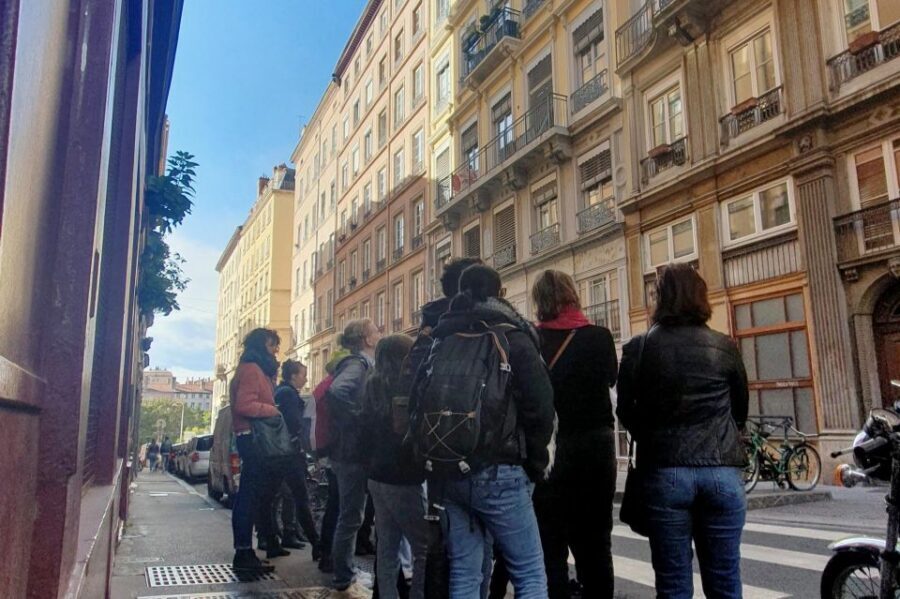
This works well if you like history that has a human voice. If you enjoy stories with characters, and you want the Lyon silk background without a lecture, you’ll probably love this.
It also suits people who want to see more than one “type” of site in a short time: slopes, traboules, and the historical context behind the 1831 revolt. That combination is exactly what makes a place like Croix-Rousse feel like more than scenery.
On the other hand, it’s not suitable for children under 10 and it’s not suitable for people with mobility impairments, mainly because of the stairs and terrain.
Stairs and Shoes: The Practical Checklist You’ll Actually Use
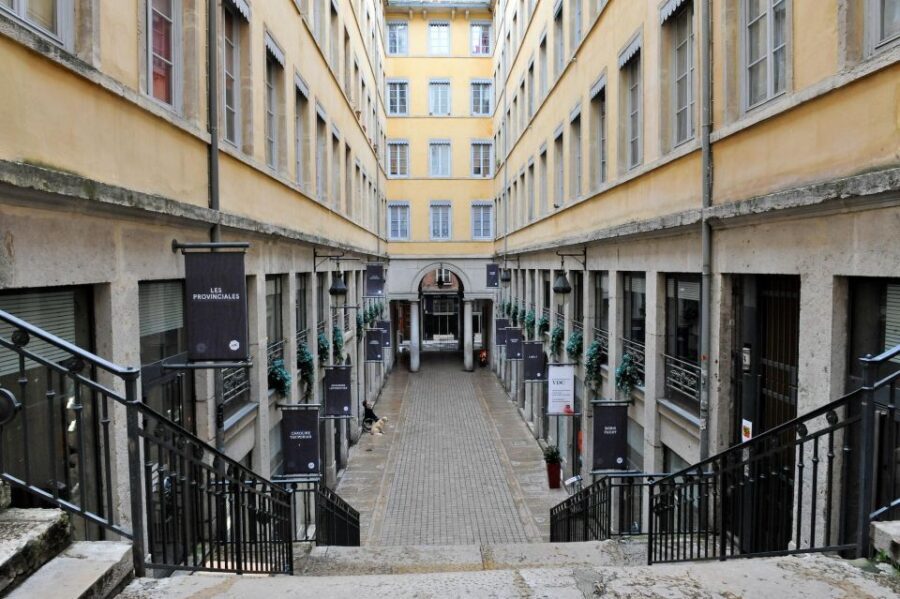
Bring comfortable shoes. You’ll be using your legs. The route includes many stairs, so don’t wear anything that makes you think twice at every step.
If you’re traveling with someone who has knee or balance issues, this is the part to respect. The tour isn’t marketed as an easy stroll, and the walking style is part of how the story moves through the neighborhood.
Should You Book the Croix-Rousse Storytelling Tour?
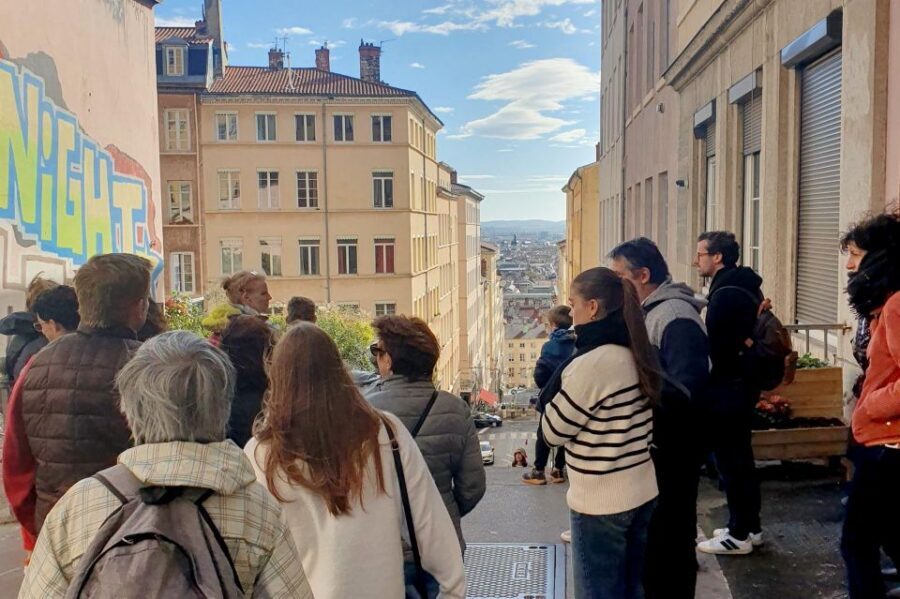
Book it if you want Lyon’s silk and the canuts revolt explained through a narrative you can follow in real time—plus the added payoff of getting traboules as part of the walk. The strong ratings line up with what matters here: guides who can hold attention, keep the story clear, and make the neighborhood feel alive through character-driven storytelling.
Skip it if stairs are a deal-breaker for you, or if the age range doesn’t fit. Also, if you only want quiet, low-effort sightseeing, this is likely too story-and-pace heavy.
FAQ
Is the tour in French only?
Yes. The tour is in French only, so plan to understand and listen in French during the 90 minutes.
How long is the Croix-Rousse storytelling tour?
It lasts 90 minutes.
Where do I meet the guide?
Meet on the esplanade in front of 51, rue du Bon Pasteur. You’ll recognize the guide by the Cybèle badge.
What should I bring?
Bring comfortable shoes.
Is the tour suitable for kids?
It is not suitable for children under 10.
Is the tour accessible for people with mobility impairments?
No. It is not suitable for people with mobility impairments. The route includes many stairs.