REVIEW · LYON
Lyon Big Traboules in Little City Stories from the Past Private Guided Tour
Book on Viator →Operated by Konstantin Masajlo · Bookable on Viator
Traboules turn Lyon into a story maze. This private, English-guided walk strings together classic spots like Place Bellecour, medieval Old Lyon, and the traboules passageways you’d miss on your own. I especially like that it’s for your group only, and I like the guide’s take on how Lyon became Lyon. One drawback to plan for: it’s a walking tour, and the experience needs good weather, since you’ll be moving between stops.
The best part is the pace. You can organize your start time to suit your schedule, and the route is built so you’re not shoved along behind other people. Expect frequent stops for photos, street-level details, and a bit of Lyon storytelling that doesn’t show up on the postcard version of the city.
In This Review
- Key highlights you’ll feel on the walk
- Entering the traboules maze near Place Bellecour
- How the private format changes what you can actually see
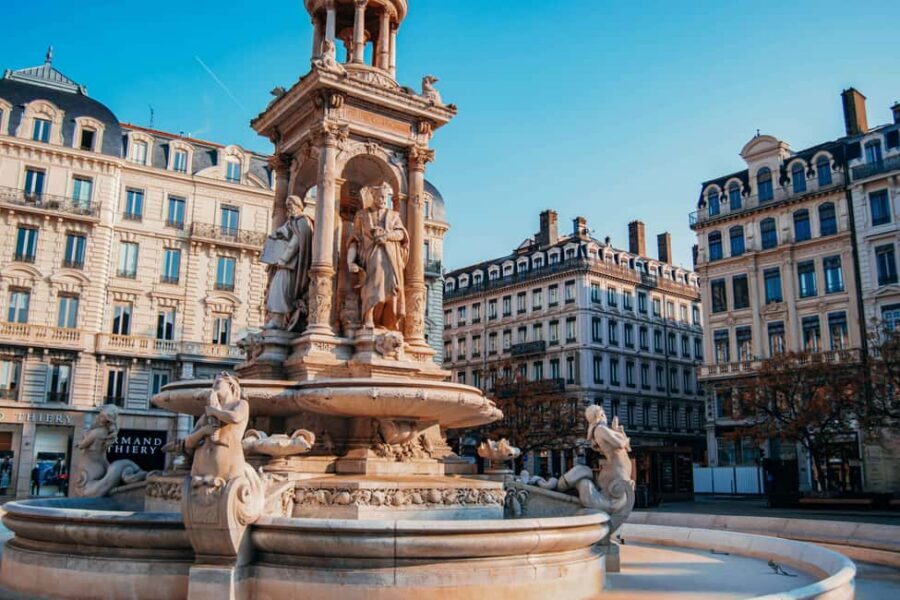
- La Place des Jacobins: architecture that sets the tone
- Vieux Lyon’s medieval lanes and traboules passageways
- Vieux Lyon walk: the darker side of the city
- Basilica Notre-Dame de Fourvière: the City of Light story
- Colline de Fourvière: Roman perspective and hilltop views
- Price and logistics: what $54.44 buys you
- The guide: Konstantin’s approach and how to make it work for you
- Weather and comfort: the small details that matter
- Should you book this Lyon Big Traboules tour?
- FAQ
- How long is the Lyon Big Traboules in Little City Stories from the Past tour?
- Is this tour private?
- Where does the tour start?
- Can we request a start time that works for our schedule?
- Which stops are included?
- Are there admission tickets to buy for the sights?
- Is the tour offered in English?
- What happens if it’s raining or bad weather?
Key highlights you’ll feel on the walk
- Private group only: no headsets, no herd mentality, more time to ask questions
- Traboules included: hidden passageways that connect courtyards and streets in unexpected ways
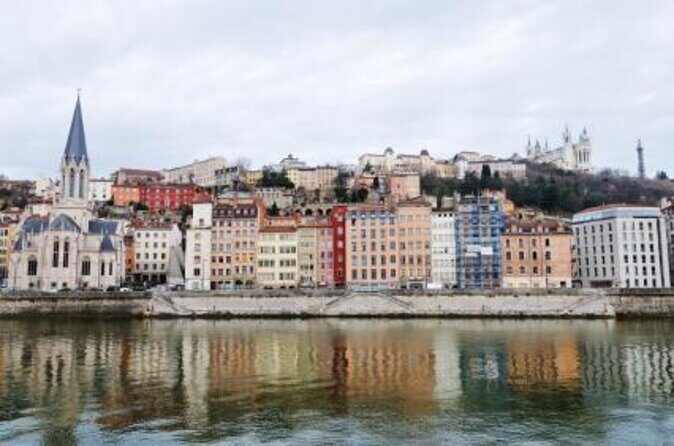
- Old Lyon focus: medieval streets plus the darker side of the city’s past as you walk
- Fourvière viewpoints: the City of Light story and Roman-era perspective from the hill
- Unhurried rhythm: short stops that add up to a calm, satisfying morning or afternoon
Entering the traboules maze near Place Bellecour
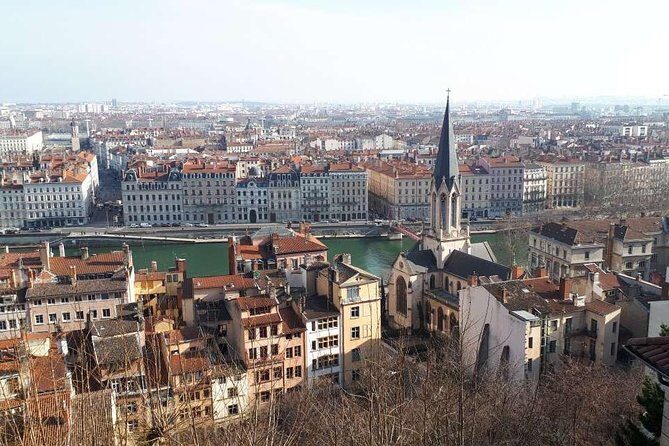
Start at 6 Pl. Bellecour, a central square that’s easy to find and well connected to public transit. This matters more than you’d think. When your tour begins where the city already expects you to be, you spend less time figuring out logistics and more time looking around with the guide.
From there, the walk starts with a quick hit of big Lyon architecture at La Place des Jacobins. It’s a nice reset point: once you see the style and scale of this part of the city, the older, narrower passages later feel even more dramatic. It also sets expectations for the day. Lyon isn’t only about sweeping boulevards. It’s also about the in-between spaces—the doorways, courtyards, and staircases where ordinary life once moved differently.
The vibe on this tour is part history lesson, part guided wandering. That’s why a private format works so well here. You can slow down for a detail you care about—stonework, street layout, how a passage is connected—without worrying you’ll hold everyone back.
Other storytelling and theatrical tours in Lyon


How the private format changes what you can actually see
This is a private tour/activity, meaning it’s just your group. That changes three key things:
1) You control your pace. Some “must-see” tours move fast because they’re trying to serve the masses. Here, the walk is built to avoid that. Stops are short, but they’re not rushed, so you can absorb what’s around you.
2) You can adjust the route to what you want. The experience is described as customizable, and the guide has a track record of tailoring the walk. If your interest is architecture, you’ll get more of that. If it’s how people lived and worked in Old Lyon, expect the guide to connect the sights to daily life.
3) Questions don’t get cut off. In a group tour, one person’s question can consume the whole next block. In a private format, you get more back-and-forth.
There’s also a practical upside: you’re not fighting the crowd. Lyon’s Old Town areas can get busy, but a private walk lets you move with intent, not just with timing.
La Place des Jacobins: architecture that sets the tone
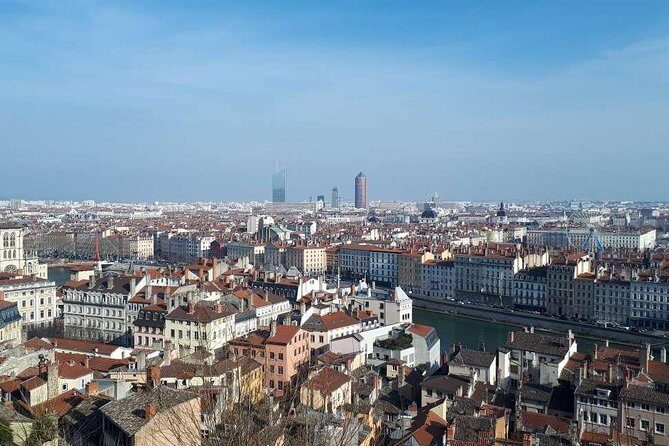
Stop 1 is La Place des Jacobins. You’re there for about 10 minutes, and the goal is simple: take in a kaleidoscope of French architecture. Even if you don’t know the technical labels for the details, you’ll start noticing patterns—how buildings face the street, how styles overlap over time, and how the area feels planned versus organic.
This stop is quick by design. It’s not the centerpiece. It’s the warm-up.
What to look for
- How different façades sit next to each other
- Visual “rhythms” in windows and stonework
- The way the square frames the streets you’ll be walking next
Potential drawback
If you’re someone who wants only the most famous monuments and zero side streets, you might feel this stop is more atmospheric than “wow.” But it’s a good primer for what follows.
Vieux Lyon’s medieval lanes and traboules passageways
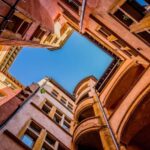
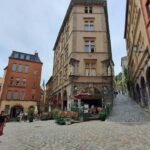
Stop 2 is the heart of the experience: a visit of Vieux Lyon and its traboules. This is your 30-minute entry into medieval architecture and hidden passageways—some of them classic, some of them easier to understand once you see the street-level logic.
Traboules are not just cute alleys. They’re a practical invention. Think of them as shortcuts through the city fabric: passageways linking courtyards and buildings, built so people could move efficiently and move goods where they needed to go. When you step inside one, the city suddenly feels layered. The outside street gives you the public view; the interior passages give you the private routes.
This stop also has a storytelling advantage. The guide can frame what you’re seeing as more than architecture. You’ll get context for why Lyon developed the way it did—how neighborhoods grew, how life operated behind walls, and how courtyards functioned.
What to expect during this stop
- Entering and exiting passageways
- Learning what makes a traboule a traboule (not every passage is the same)
- A sense that you’re walking through a city-within-a-city
Tip for comfort
Since traboules can involve stairs and tight turns, wear shoes with decent grip. Even on calm days, you’ll want sure footing.
Vieux Lyon walk: the darker side of the city
Stop 3 takes you deeper into Vieux Lyon for about 30 minutes. Here, the focus shifts from hidden routes to the streets themselves, and you’ll hear stories about the darker side of Lyon. That doesn’t mean ghost stories. It usually means you’ll get a more honest picture of how the city changed—what drove conflict, power shifts, trade pressures, or social tension.
This is one of the reasons I think a guided private walk beats self-guided wandering. You can absolutely explore Old Lyon on your own. But without context, you’ll see streets. With context, you start seeing causes and consequences.
As you walk, pay attention to street geometry. The guide’s explanations help you understand why certain lanes feel “built to funnel movement,” while other areas feel more like stopping points for commerce or community life. That’s when the city becomes easier to navigate later on your own.
Other traboule tours and hidden passage walks in Lyon



Basilica Notre-Dame de Fourvière: the City of Light story
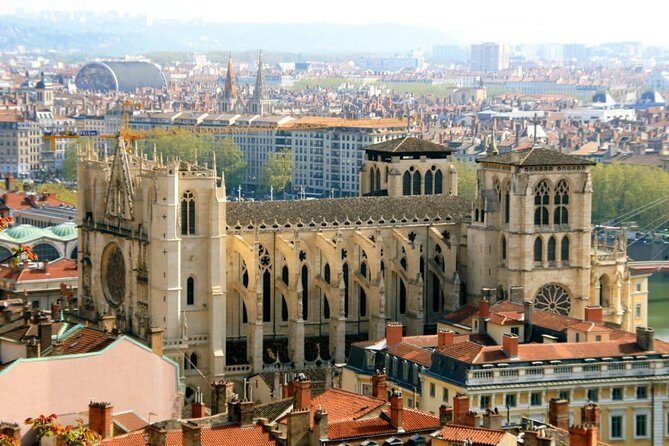
Stop 4 is Basilique Notre-Dame de Fourvière for about 20 minutes. This is where the famous Lyon nickname comes into play: City of Light. The guide’s job here is to connect the idea of light—whether literal, cultural, or symbolic—to what you’re seeing from this part of the city.
Even if you don’t go into every corner of the basilica area, you’ll still get value from the framing. Fourvière is one of those places that makes you understand why Lyon built its identity around visibility and vantage. Seeing the city from here changes how you read Old Lyon’s layout below.
What to look for
- The skyline view and how it reshapes your sense of distance
- How the basilica area “anchors” the upper part of the city
- The guide’s story linking light to Lyon’s self-image
Time consideration
Twenty minutes is enough for the viewpoint and key takeaways, but not for a long, slow visit. If you want more time here after the tour, plan to linger afterward.
Colline de Fourvière: Roman perspective and hilltop views
Stop 5 is Colline de Fourvière for about 30 minutes. This part of the walk is framed through the eyes of a citizen of the ancient Roman Empire. You’ll get a different kind of time travel than in the traboules. Instead of narrow passageways, it’s open perspective—how the hilltop position matters, and how Roman-era Lyon made sense in its landscape.
One of the best uses of time here is the “connect the dots” feeling. The tour has already shown you how Lyon moved people through hidden routes in the old neighborhoods. Now you’re seeing the city’s bigger structure. That’s when you’ll likely get what you’ll do later: you’ll be better at planning your own routes, because you’ll understand what’s uphill and what’s connected by corridors and courtyards.
If you’re the kind of person who likes photos, this is where the camera earns its keep. You’ll have a more complete view of how the city sits in layers.
Price and logistics: what $54.44 buys you
The price is $54.44 per person, with an expected duration of about 2 to 3 hours. That timing matters because it covers a meaningful slice of Lyon without turning into an all-day endurance event.
Here’s how I’d think about value:
- Private time is the real cost driver. You’re not paying just for landmarks. You’re paying for a guide who can tailor the walk to your group and keep the pace sane.
- Free-entry stops reduce friction. Each stop is listed as free admission. That means your money goes toward the experience, not toward ticket juggling during the walk.
- High satisfaction signals consistency. This tour is rated 4.9, and it’s recommended by 98% of travelers. When a guided tour hits that level, it usually means the route, pacing, and guide delivery are working together.
You’ll also get a mobile ticket, and group discounts are available. If you’re traveling with family or friends, that’s where the economics can feel even better.
One more logistics note: it’s near public transportation and begins and ends back at the meeting point. That reduces the stress of figuring out where you’ll be after the tour.
The guide: Konstantin’s approach and how to make it work for you
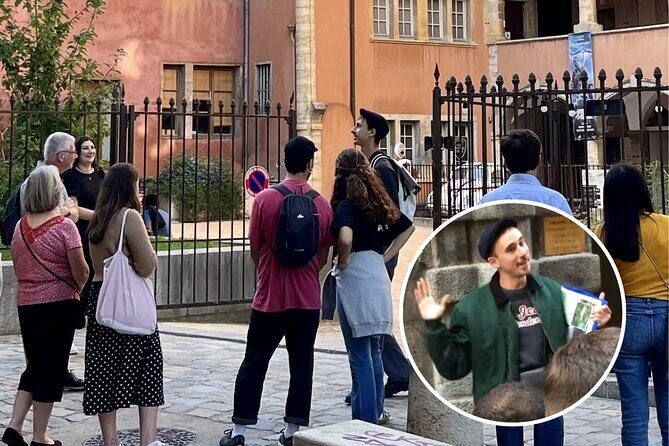
Konstantin Masajlo runs the tour. In the way he describes Lyon, the city becomes understandable fast. He connects architecture to the way people lived and worked, and he uses humor to keep the pacing light. You’ll also get a sense of adaptability—he’s willing to adjust as your group’s interests show up.
The practical benefit: you can get more than a list of sights. You can leave with a mental map of how Lyon is organized.
If you want to get maximum value, ask a question at the start and again midway. For example:
- Which traboules are the most interesting for architecture versus everyday life?
- What should we look for on the street that most people miss?
- Where should we go next if we want food, market browsing, or more viewpoints?
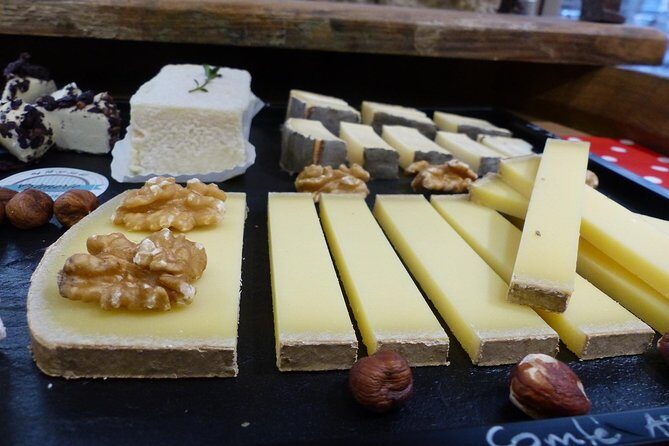
Sometimes the walk can expand beyond the core stops. There are mentions of extra local texture like workshops tied to Lyon’s past and an outdoor market stop. Those aren’t guaranteed for every group, but they show that the guide often looks for ways to help you see Lyon beyond the obvious.
Weather and comfort: the small details that matter
This experience requires good weather. That doesn’t mean you need perfect sunshine. It means the city’s best parts—the passageways, the hill viewpoints, the walking between stops—work best when conditions are cooperative.
If rain or slippery streets are a possibility, dress for it but don’t forget traction. Also, consider the hill areas at Fourvière: you’ll feel the change in elevation even if the total walking time isn’t huge.
Should you book this Lyon Big Traboules tour?
Book it if you want an easy win on your first visit: traboules, medieval Old Lyon lanes, and Fourvière viewpoints in one well-paced private walk. The price is fair for a private guide, and the free-entry stops make the day feel efficient. You’ll come away with two gifts: a clearer understanding of how Lyon is put together and a set of routes you can repeat on your own.
Skip it only if your idea of a perfect Lyon tour is mostly big-ticket monuments with minimal walking and minimal side streets. This is a small-city approach—passageways, stories, and streets you’d otherwise overlook.
If you want to feel like Lyon is telling you its secrets, this one is built for that.
FAQ
How long is the Lyon Big Traboules in Little City Stories from the Past tour?
The tour runs about 2 to 3 hours.
Is this tour private?
Yes. It’s a private tour/activity, so only your group participates.
Where does the tour start?
The meeting point is 6 Pl. Bellecour, 69002 Lyon, France, and the tour ends back at the same meeting point.
Can we request a start time that works for our schedule?
Yes. The tour highlights say you can organize the start time and meeting point to suit your needs.
Which stops are included?
The walk includes La Place des Jacobins, Vieux Lyon and its traboules, Vieux Lyon streets, Basilique Notre-Dame de Fourvière, and Colline de Fourvière.
Are there admission tickets to buy for the sights?
Admission tickets are listed as free for the stops on this tour.
Is the tour offered in English?
Yes, the tour is offered in English.
What happens if it’s raining or bad weather?
This experience requires good weather. If it’s canceled due to poor weather, you’ll be offered a different date or a full refund. You can also cancel for a full refund up to 24 hours in advance.