Lyon hides shortcuts inside buildings. This private traboules walking tour threads through Croix-Rousse, Presqu’île, and Vieux Lyon, with stories that connect the Canuts silk workers to WWII French Resistance routes. You’ll go with a licensed local guide and, unlike many “private” tours, your booking stays fully yours—no random additions.
I like the way this experience makes Lyon feel walkable and readable, not just postcard pretty. I’m also a fan of the guide style—Didac comes through as funny and passionate, and he tailors the route to what you’re curious about, then adds practical pro tips for what to explore next.
One consideration: this is a step-heavy walking tour. If stairs and narrow passageways are a problem, or if you use a wheelchair, this one is not a fit.
In This Review
- Key highlights worth your time
- Why Lyon’s traboules feel like a secret route through time
- Starting at Place de la Croix-Rousse and the Jacquard landmark
- Croix-Rousse’s hidden passages: more than shortcuts
- Moving to Presqu’île for a different kind of city rhythm
- Vieux Lyon: medieval traboules and WWII Resistance routes
- What the private format really gives you (and why it’s good value at $129)
- Languages, guide style, and how the tour keeps moving
- Comfort, heat, and the practical reality of steps
- Who this Lyon traboules tour suits best
- Should you book Unique Tours Lyon’s Hidden Passages tour?
- FAQ
- How long is the Lyon Private Traboules Tour – Hidden Passages?
- Is this tour truly private?
- Where do we meet the guide?
- How do I get there by public transport?
- Which parts of Lyon will this tour cover?
- Are the traboules included on this tour usually open to the public?
- What history topics will the guide cover?
- What languages are available for the guided tour?
- Is the tour suitable for wheelchair users or people with mobility impairments?
- Can I cancel, and is there a pay-later option?
Key highlights worth your time
- Truly private access with no other participants added to your group
- Licensed local guide telling the Lyon stories behind the shortcuts
- Traboules in three areas: Croix-Rousse, Presqu’île, and Vieux Lyon
- Canuts and WWII Resistance history tied directly to the routes
- Selected traboules normally closed to the general public
- Comfort-minded pacing, including adjustments for extreme heat
Why Lyon’s traboules feel like a secret route through time
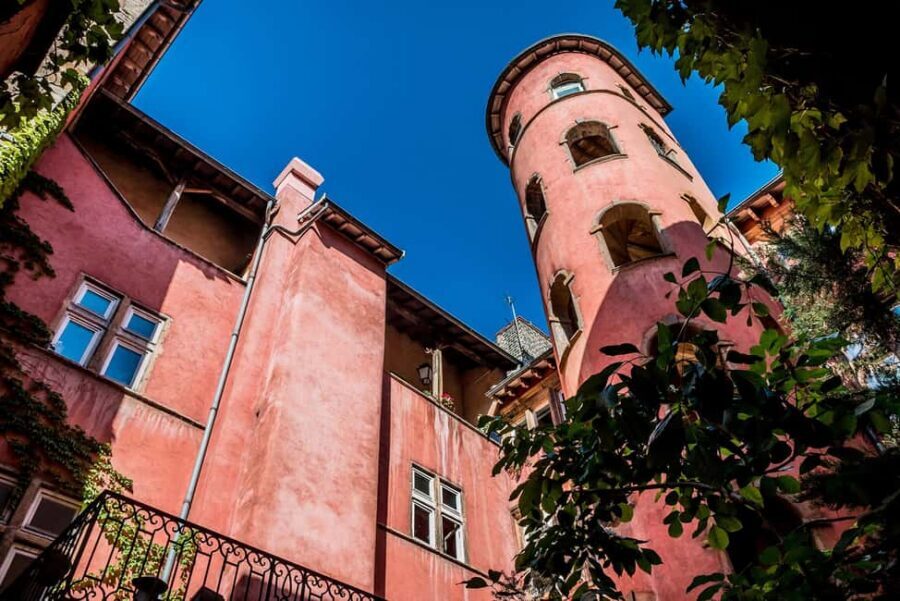
The word traboule sounds fancy until you see what it actually is: a passage through buildings that lets you move faster than the street would. In Lyon, that simple idea becomes part of daily life and then part of history.
What makes this tour click is that it doesn’t treat the traboules like random architecture. You connect the physical shortcuts to real people and real pressure—silk workers trying to make a living, and Resistance fighters using discreet movement during World War II. When you walk the spaces with that context in your head, the city changes. You start spotting doors, courtyards, and stairways as clues instead of decoration.
Other traboule tours and hidden passage walks in Lyon



Starting at Place de la Croix-Rousse and the Jacquard landmark
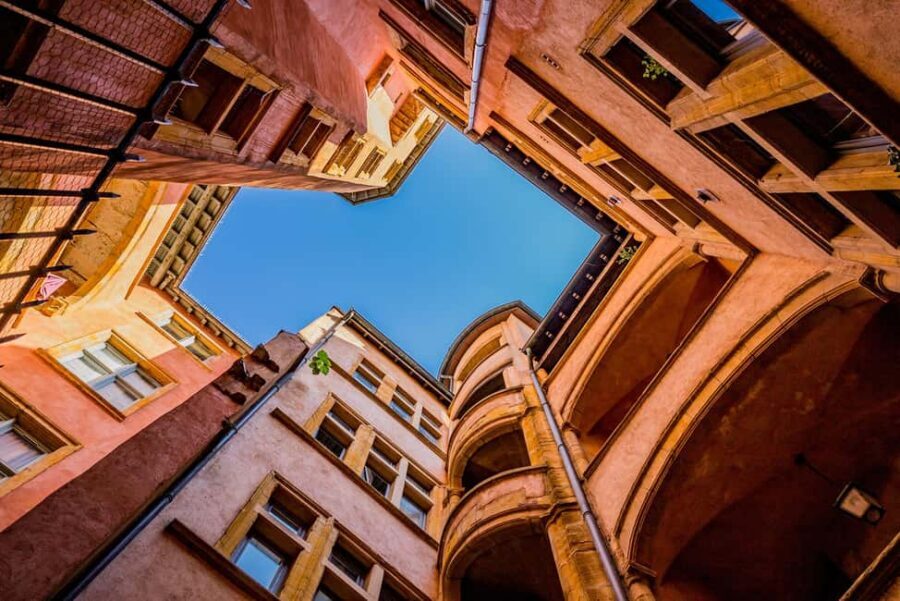
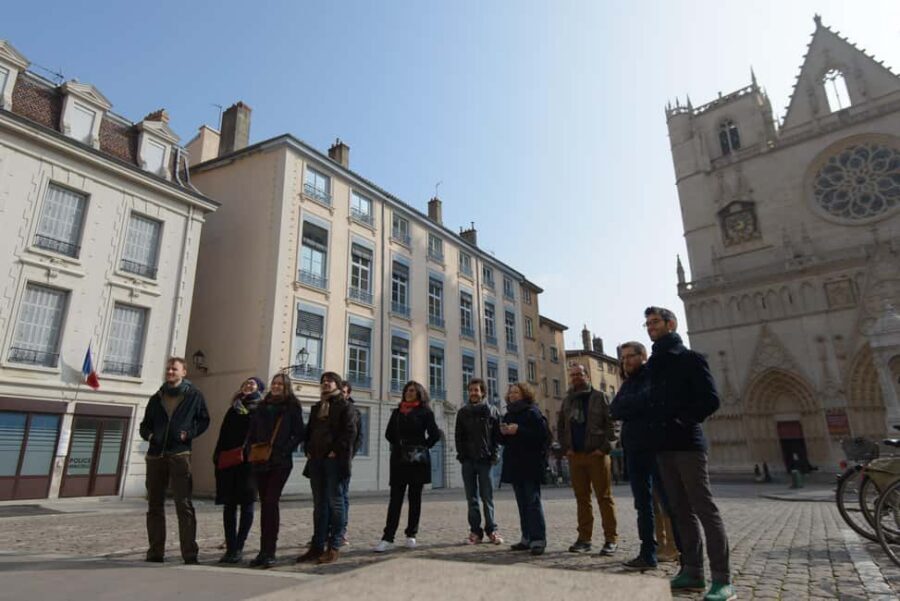
Your walk begins at Place de la Croix-Rousse, in front of the Monument of Jacquard. It’s a smart start because Croix-Rousse is where you get a clear sense of why Lyon’s workers shaped the city as much as its leaders did.
From there, you head into the Croix-Rousse traboules and get the Canuts story in a way that feels tied to place, not just dates. These were the silk workers who helped revolutionize the textile industry, and the passages show how production life and movement life could overlap. You’ll hear how these routes helped people save time and stay connected while living and working in dense, vertical neighborhoods.
Practical note: Croix-Rousse also means slopes and stairs. The guide’s job is to manage the pace so the route still feels fun, not punishing—especially during hot weather, when the tour is known to adjust so the hardest stairs get handled earlier.
Croix-Rousse’s hidden passages: more than shortcuts
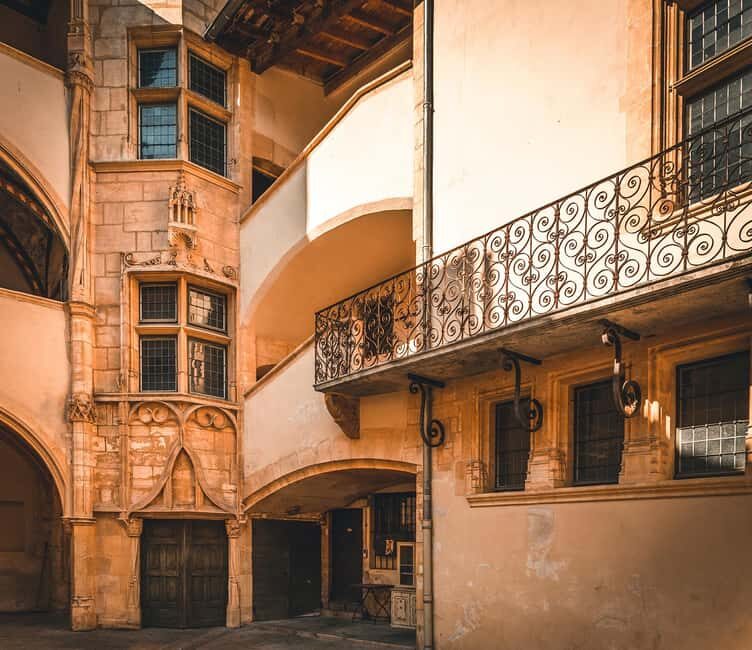
Croix-Rousse traboules aren’t just narrow hallways you walk through. They’re little systems—spaces where courtyards, staircases, and building layouts work together.
That layout matters when you’re thinking like a silk worker. If you’re carrying materials, moving between work and home, or coordinating across buildings, speed isn’t a luxury. The traboules offered it. On this tour, you’ll connect that practical need to the broader change the Canuts brought to Lyon’s economy and identity.
Also, the guide’s tone helps. Reviews point to humor and a warm, talk-with-you style, and that matters because traboules can feel repetitive if you treat them like a checklist. With stories layered in, each passage has a purpose.
Moving to Presqu’île for a different kind of city rhythm
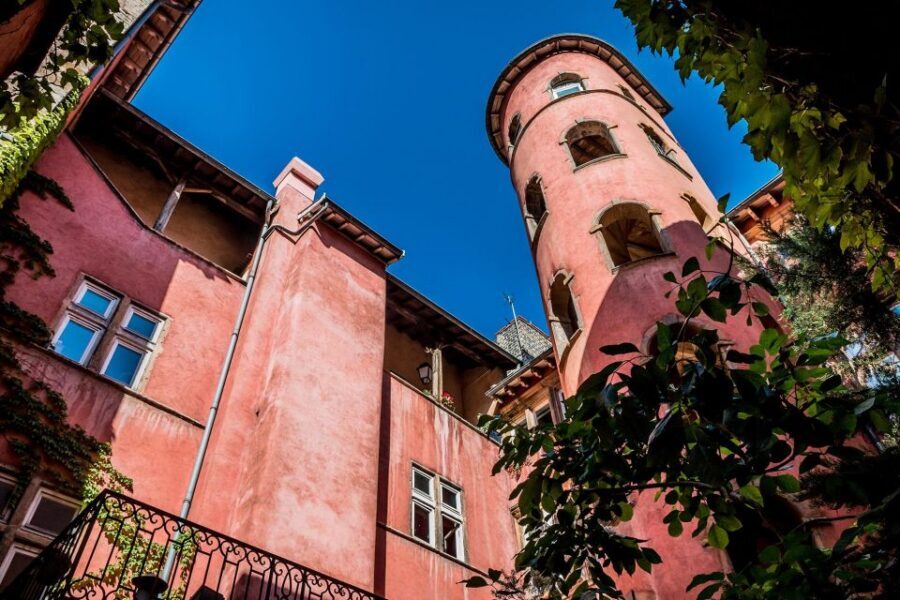
After Croix-Rousse, you shift toward Presqu’île, Lyon’s central strip between the riverbanks. This change of zone keeps the tour from feeling stuck in one neighborhood vibe.
Presqu’île’s role on the walk is the middle chapter: the part of Lyon where you start to see how the city center connects to the hidden networks beneath it. The passages here help you understand how shortcuts thread through the fabric of everyday life—how people got around without always relying on open streets.
This is also where pacing starts to matter. The tour format is built around short guided segments, so you get focused time in each area rather than a long grind with constant turning. You can ask questions as you go, and the guide can steer the conversation to your interests—silk history, resistance stories, or even just how the buildings work.
Vieux Lyon: medieval traboules and WWII Resistance routes
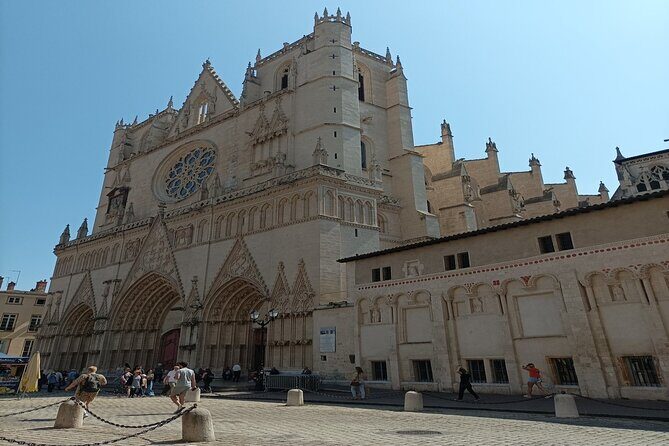
The last stretch lands in Vieux Lyon, where the mood shifts toward older streets and older stone. This is where Lyon’s traboules feel most “classic”—the kind of medieval passage network that makes you understand why people talked about secrets long before the internet existed.
Here, you’ll hear about the French Resistance during World War II and the places where Resistance fighters lived. The key is that you don’t just get a general WWII lesson. You connect those stories to the physical routes—how hiding and moving depended on knowing the city’s hidden edges.
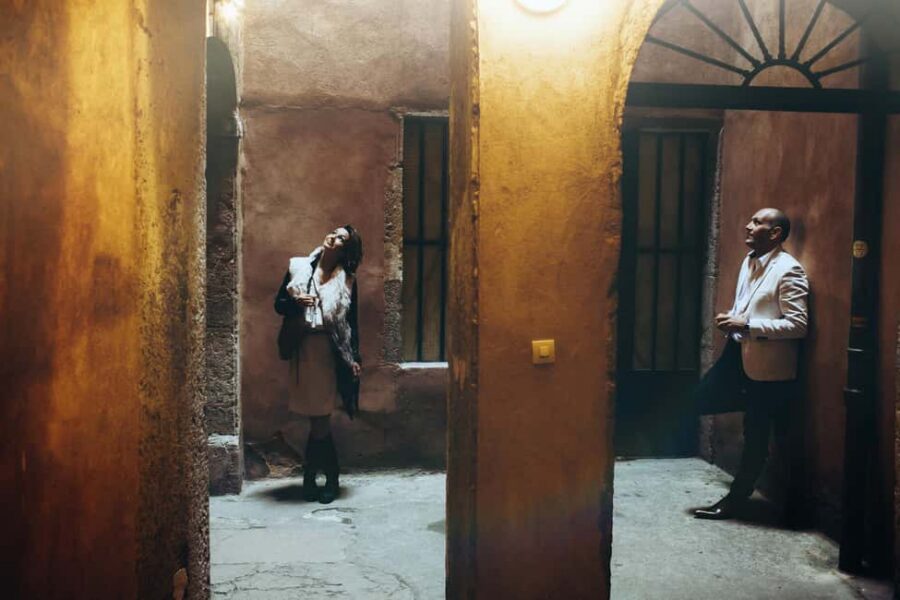
This part of the tour is often the most memorable because the atmosphere is tangible. Passing through shadowed corridors with names and stories attached can change your sense of what these places mean. They stop being architecture-only and become survival tools.
You’ll finish in Vieux Lyon, which is convenient because you’re already in one of the best areas to keep exploring after the tour ends—if you want to wander a bit on your own, you can do it with far better context in your head.
Other private tours in Lyon




What the private format really gives you (and why it’s good value at $129)
At $129 per person for a 2-hour private tour, the price sounds straightforward. The real question is what you get for it.
First: it’s genuinely private. Many tours say private, then quietly add other people if capacity allows. This one stays fully reserved for your group only. That matters because traboules are a tight-space experience—smaller groups move better, listen better, and don’t get stuck waiting for strangers to catch up.
Second: you get a licensed local guide. A guide like Didac is able to explain the city’s “why” behind the “what”—how Lyon’s workers and wartime residents used these routes, and what you should notice as you walk. It’s also helpful when the guide adjusts the route for conditions. Reviews highlight thoughtful pacing for extreme heat, including tackling the steepest stairs early.
Third: you get access to selected traboules normally closed to the general public. That’s the kind of perk that turns this from a nice history walk into a genuinely different experience. You’re not just walking the same open passages anyone can spot on their own.
If you’re the kind of traveler who hates feeling rushed, or you want your questions answered without cutting off the person in front of you, this private format is where the value is hiding.
Languages, guide style, and how the tour keeps moving
The tour is offered with a live guide in French, English, and Spanish. You’ll want to pick your language based on comfort, because in this kind of tour, detail is half the fun. When the guide explains the story of the Canuts or the Resistance in your own language, the architecture makes more sense.
Style-wise, the tour leans into conversation. Reviews mention Didac’s humor and the way he answers questions. That matters in a city like Lyon, where you could otherwise spend your time saying yes to doors, yes to stairs, and no to understanding.
One more small but useful thing: the guide gives pro tips for what else to do in Lyon. That’s not just friendly chatter. It helps you use your remaining time well—especially if this is your first or second day in the city.
Comfort, heat, and the practical reality of steps
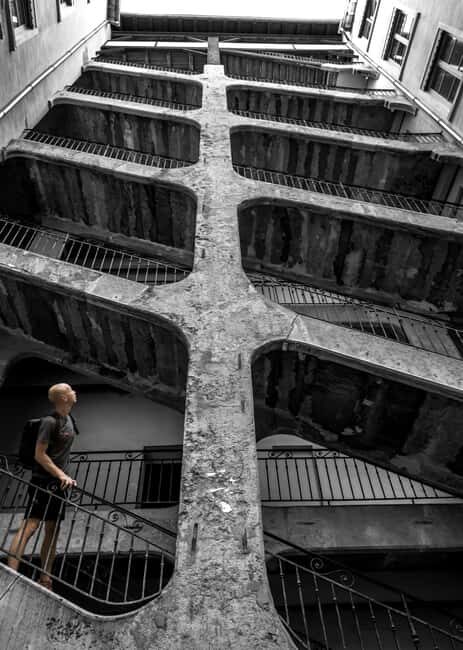
Let’s talk about feet. This experience is not for you if stairs are a hard stop, and it’s not suitable for wheelchair users. The route includes steps and passageways that can be narrow, so you’ll want to walk confidently.
If you can handle stairs but you still care about comfort, plan smart:
- Wear comfortable shoes with grip. Traboules can be dim and sometimes feel slick depending on the day.
- Bring a water bottle in warmer months. Reviews specifically call out how the guide adapts timing for extreme heat, but you’ll still be walking.
- Dress for the weather. Even when shade helps, you’re still moving through outdoor-to-indoor transitions.
Good news: the guide manages the hard parts early when conditions are hot, which makes the tour feel more manageable instead of stubborn.
Who this Lyon traboules tour suits best
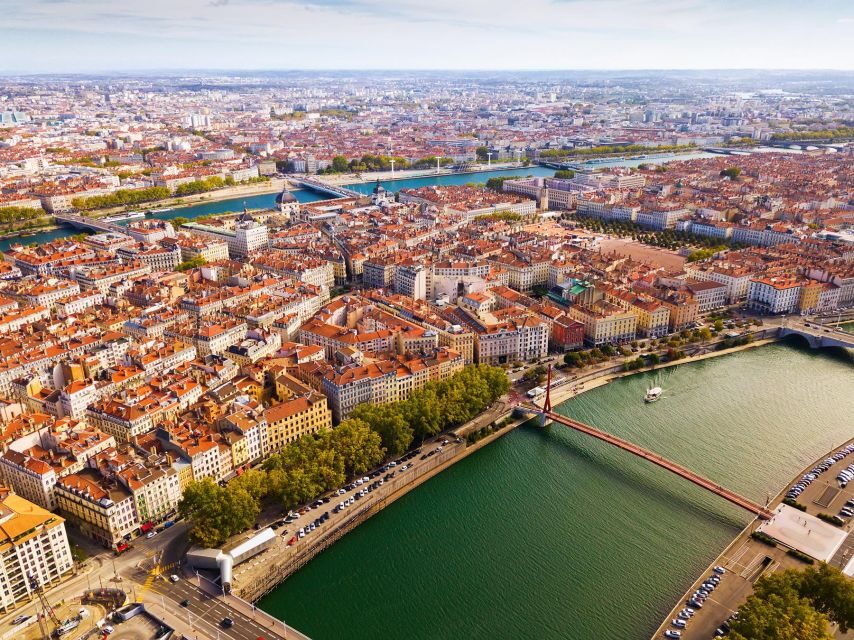
This is a strong fit if you:
- Want history tied directly to where you’re standing
- Like architecture and city layout, not just museum-style facts
- Enjoy walking tours but can handle uneven steps
- Travel with a group that wants privacy and flexible conversation
It’s also ideal if you’re curious about both big themes on the same route: the Canuts silk industry revolution and the WWII Resistance. Those are very different stories, but here they connect through the same physical network—traboules as practical infrastructure for people under pressure.
If you’re looking for a super-relaxed stroll with almost no stairs, you might find this too active. If you can do stairs and don’t mind tight passageways, you’ll likely enjoy it much more.
Should you book Unique Tours Lyon’s Hidden Passages tour?
I’d book it if you want Lyon to feel like more than a pretty city. The combination of private access, a licensed guide, and selected traboules that aren’t usually open makes this tour feel worth it even if you’ve seen photos of Lyon before.
Skip it—or at least think twice—if mobility is an issue. This route isn’t built for wheelchair users, and the steps are part of the experience.
If your schedule allows, consider choosing a time when the streets feel quieter. One of the benefits described in guide experience is the calmer feel early on, which makes it easier to hear stories and focus on the passageways without constant street noise.
FAQ
How long is the Lyon Private Traboules Tour – Hidden Passages?
It lasts 2 hours.
Is this tour truly private?
Yes. It is a fully private experience, meaning no other participants are added to your booking.
Where do we meet the guide?
You meet in front of the Monument of Jacquard in the middle of Place Croix Rousse.
How do I get there by public transport?
The meeting point is accessible using metro line C, getting off at Croix Rousse.
Which parts of Lyon will this tour cover?
You’ll walk through traboules in Croix-Rousse, Presqu’île, and Vieux Lyon.
Are the traboules included on this tour usually open to the public?
You get access to selected traboules that are normally closed to the general public.
What history topics will the guide cover?
You’ll hear about Lyon’s history, the Canuts (silk workers), and French Resistance fighters of World War II, tied to the routes.
What languages are available for the guided tour?
The guide offers French, English, and Spanish.
Is the tour suitable for wheelchair users or people with mobility impairments?
No. It is not suitable for people with mobility impairments or wheelchair users.
Can I cancel, and is there a pay-later option?
You can cancel up to 24 hours in advance for a full refund, and you can reserve now and pay later.