Lyon’s streets are better from a pedicab. You glide through Vieux Lyon and uncover the city’s secret traboules while learning why Lyon became a silk powerhouse. Two things I really liked: the easy, low-effort riding through hilly areas and the way guides like Vincent and Didac turn architecture into stories you can picture. A possible drawback: you’re in a seated pedicab, so if you want lots of long, independent wandering, this is more of a guided ride than a free roam day.
The private format also matters in Lyon. You’re not just seeing big sights like Place Bellecour and the UNESCO Old Town—you can get led into quieter courtyards and passageways that are easy to miss on your own. If you’re traveling with a lot of luggage, note that large bags aren’t allowed, and wheelchair access isn’t offered.
In This Review
- Key Things You’ll Notice on This Lyon Pedicab Tour
- Place Bellecour First: Getting Your Bearings in 15 Minutes
- UNESCO Vieux Lyon: When Medieval Streets Teach You How Lyon Works
- Traboules Explained: Secret Passages That Changed How Silk Merchants Moved
- Silk-Weaving Stories: How Lyon’s Past Shows Up in Plain Sight
- Croix-Rousse Ride-Through: Street Art With an Artistic Neighborhood Feel
- Private Guide Perks: Flexibility, Personal Interests, and Weather Sense
- What’s Included, and What That Means for Your Day
- When to Book: Morning Timing and Shoe-Ready Comfort
- Logistics and Limits You Should Know Up Front
- Should You Book This Lyon Pedicab Tour?
- FAQ
- Where does the tour start?
- How long is the pedicab tour?
- What is included in the price?
- What languages are offered?
- Is the tour suitable for wheelchair users?
- What should I avoid bringing?
Key Things You’ll Notice on This Lyon Pedicab Tour

- Place Bellecour as your starting point, where you can orient fast before you wind into the Old Town
- UNESCO-listed Vieux Lyon streets and the mix of medieval and Renaissance architecture
- Hidden traboules, the passageways silk merchants used to move faster and stay protected
- Croix-Rousse ride-through time, including street art in Lyon’s artistic neighborhood
- Guides who adjust to you, with flexibility when weather changes
Place Bellecour First: Getting Your Bearings in 15 Minutes
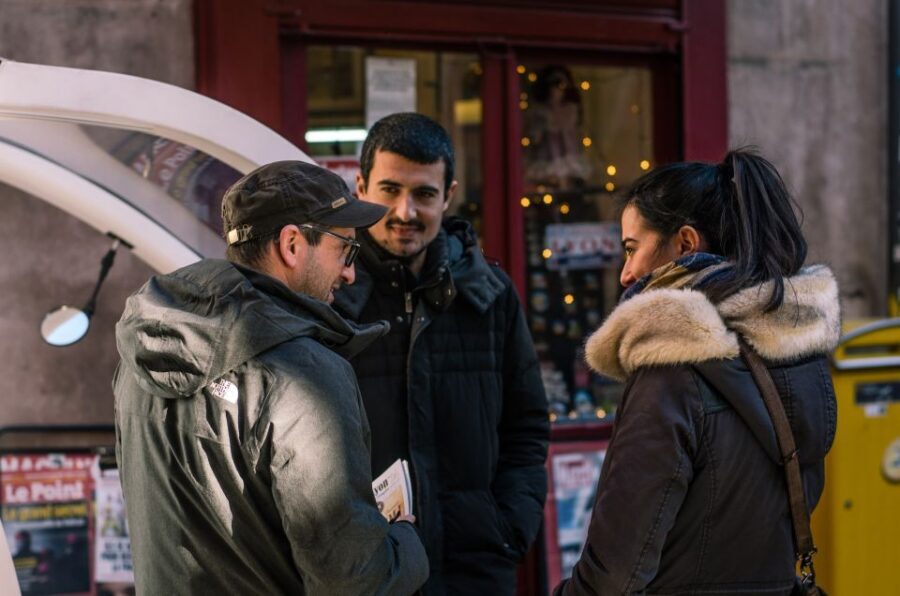
Most first-day Lyon plans start with a map and tired feet. This one starts with a pedicab and a strong landmark: Place Bellecour. It’s one of Europe’s largest squares, open enough to help you understand the city’s layout before you head into tighter historic lanes.
Why this matters: Lyon is a “layers” city. You’ll see medieval walls, Renaissance details, and later neighborhoods stacked on hills. Starting in the open makes the next part feel less like wandering and more like a guided route with purpose. And because you’re riding early, you save energy for the narrow streets and stairs you’ll encounter later on your own.
You’ll also get a clear rhythm to the tour. You’re seated, carried, and pointed toward what’s worth noticing. That’s a big plus if you’ve already spent a day walking and you don’t want your legs to vote on the itinerary.
Other Lyon highlights and sightseeing tours in Lyon



UNESCO Vieux Lyon: When Medieval Streets Teach You How Lyon Works
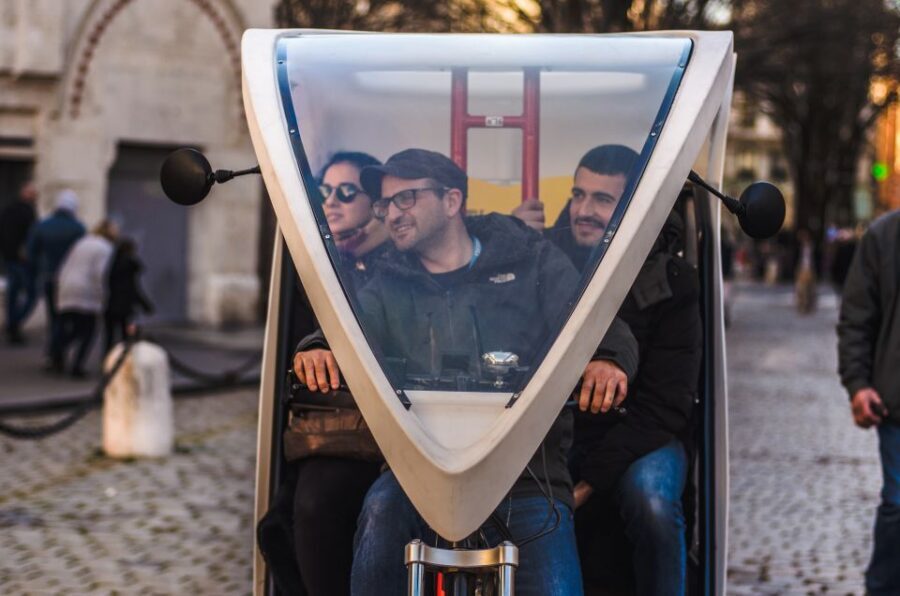
From Place Bellecour, the route leads into the UNESCO-listed Old Town (Vieux Lyon). This is where the city feels most “old Europe,” with stone buildings and tight streets that show how people actually lived and worked. You’re not just passing by facades. The idea is to understand why these lanes exist and how the city functioned.
What I like about this portion is that it’s not only visual. Your guide connects the street layout to Lyon’s commercial past. That makes the Old Town more than a photo stop. You’ll start reading the city in layers, noticing architectural changes and how neighborhoods shifted over time.
One practical benefit: a pedicab is simply easier than walking when you’re moving through old quarters. Those streets can slope, and the footing can be uneven. Riding helps you keep your attention on stories and details instead of constantly watching your steps.
Traboules Explained: Secret Passages That Changed How Silk Merchants Moved

The headline here is traboules—hidden passageways that connect courtyards and buildings. This tour is built around them, and that’s a big reason it earns such strong marks.
Here’s what makes traboules special in Lyon: they weren’t just architectural quirks. They were practical shortcuts. Historically, silk merchants could move goods through covered routes, avoiding hassles of weather and street congestion. When your guide explains this, the passages stop being mysterious doorways and start feeling like real infrastructure.
You may also see the human side of them. Guides like Didac are known for taking people beyond the obvious and into quieter areas such as courtyards and places that feel like living neighborhoods, not just museum streets. Even without going off-script, that approach helps you understand Lyon as a city that still has everyday life inside historic walls.
Best way to enjoy this section: look for the “logic” in what you see. Ask yourself, how would you move merchandise here? Why connect these two points? That mindset turns a hidden walkway into a story you can keep.
Silk-Weaving Stories: How Lyon’s Past Shows Up in Plain Sight
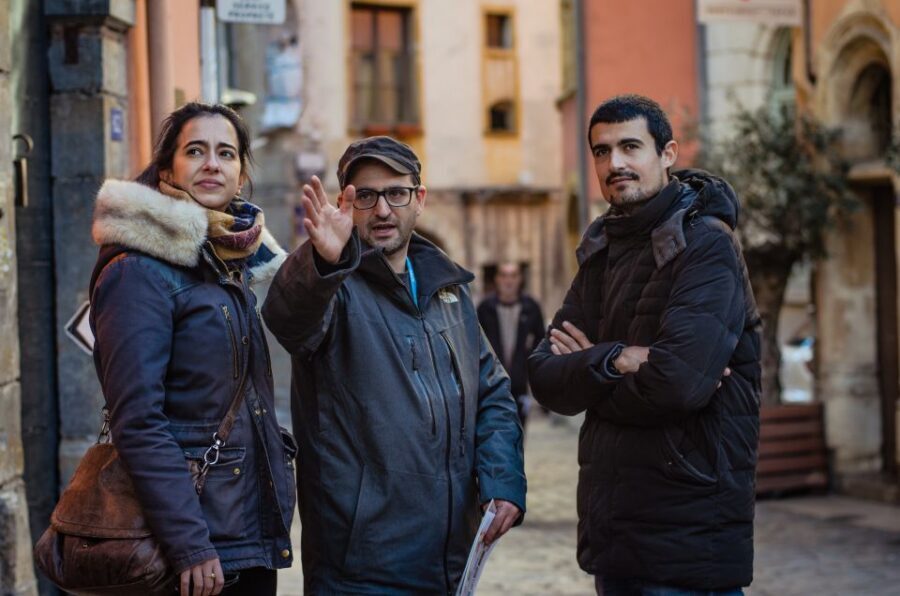
Lyon’s silk-weaving past isn’t delivered as a dry lecture. The best part is how the guide connects it to what you’re seeing on the street—courtyards, passageways, and the way buildings cluster around work.
Why this is valuable: Lyon’s history often looks like buildings first. With silk weaving explained, you realize those buildings were tools for business. It helps you spot patterns that otherwise blend into the background. The tour gives you a mental map of the city’s economic roots, which makes your later explorations more satisfying.
If you like history that you can physically walk through, this section is a strong match. And if you prefer stories over facts, it still works, because the setting does the heavy lifting.
Croix-Rousse Ride-Through: Street Art With an Artistic Neighborhood Feel
After the Old Town, you’ll ride into Croix-Rousse, known as an artistic hub. In this part, expect a change in mood. You trade tightly focused historic passageways for more street-level character and creative energy.
Even when you’re not stopping for long stretches, the pedicab helps you absorb the neighborhood’s texture: walls, street art, and the sense of a community that expresses itself outward. It’s the kind of contrast that makes Lyon feel like more than one “zone.” You can sense where the city started and where it evolved.
Practical note: street art and murals are best when you can look steadily. Riding keeps you from weaving around crowds, and it helps your guide set up viewing angles at the right moments.
Other Lyon pedicab and scooter tours in Lyon



Private Guide Perks: Flexibility, Personal Interests, and Weather Sense
A private pedicab tour is more than just a quieter ride. It’s a chance for the guide to tailor pacing and emphasis to what you care about.
In real life, this shows up in small ways. Guides have been praised for taking time to understand what you’re most interested in, then customizing the route accordingly. If you’re a history-first person, you’ll likely get more context on trade routes and the working design of traboules. If you’re more into street scenes and neighborhood character, you’ll spend more attention on areas like Croix-Rousse.
Weather matters in Lyon, and it can change your day quickly. I love that some guides actively check conditions and may recommend adjusting the start time to avoid rough weather. That kind of common sense can save your photos and your mood.
What’s Included, and What That Means for Your Day
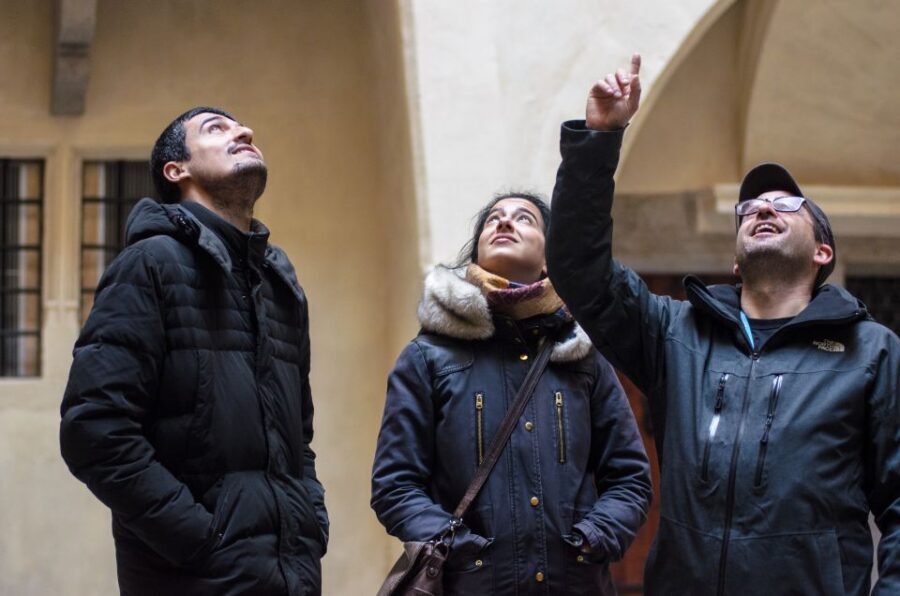
This tour includes a tour guide, pedicab transportation, and one bottle of water per person. For a 2-hour option, that’s the core value: you’re paying for guided movement through hard-to-reach corners without exhausting yourself.
There’s also mention of a local breakfast if a 3-hour option is chosen. If you’re the type who likes to start early and build a full morning in one go, it could be worth comparing the longer version for the extra time and food.
Price-wise, $90 per person for a private 2-hour ride isn’t “cheap,” but it can be good value if you compare it to the cost of a guide plus the energy you’d spend on your own walking plan. You’re buying three things at once: interpretation, access to the city’s hidden logic, and an easier route through hilly old streets.
When to Book: Morning Timing and Shoe-Ready Comfort
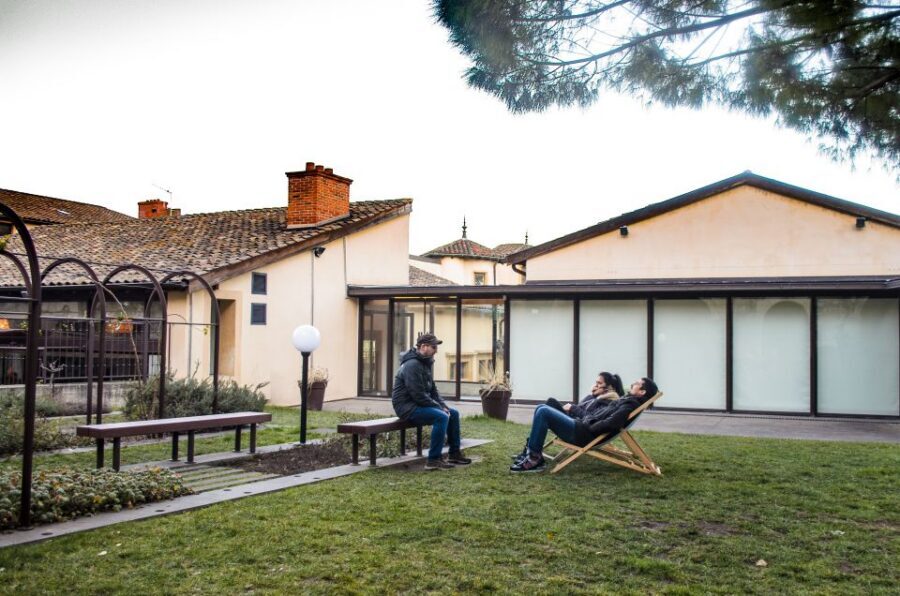
If you want the most from this kind of guided tour, I’d schedule it earlier in the day. One helpful tip is to do it before 12h, when more is available for tourists. The Old Town feels better in softer light, and you’ll have energy left for the rest of your Lyon itinerary afterward.
What to bring is simple and worth respecting:
- Comfortable shoes (yes, even if you’re riding)
- Sunglasses
- A sun hat
Even on a pedicab tour, you’ll likely be getting on and off or pausing for explanation. Good footwear keeps those stops easy instead of annoying.
Logistics and Limits You Should Know Up Front
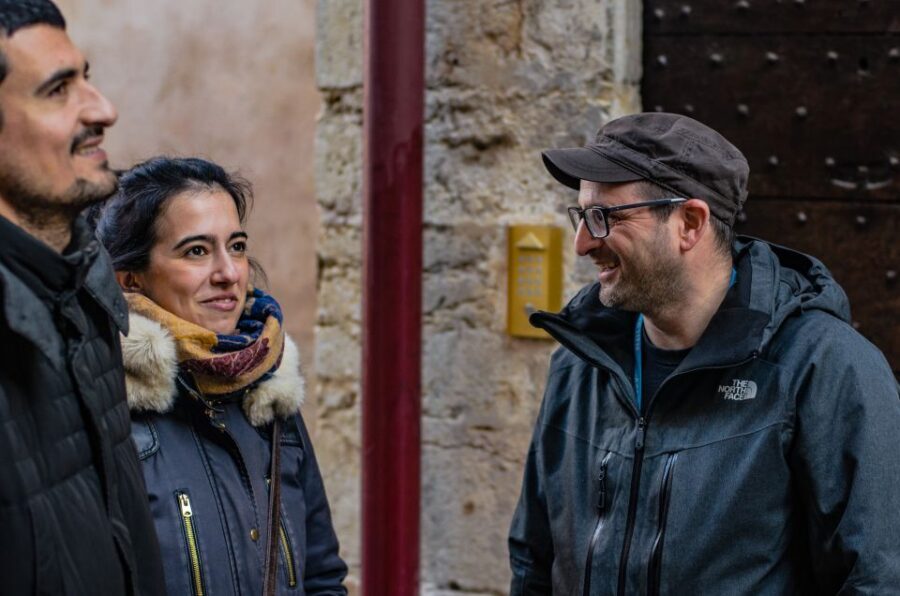
This tour is a private group and runs for 2 hours. The meeting point is in front of the Tourist Office at Place Bellecour.
A few limits matter when you plan around them:
- Not suitable for wheelchair users
- No luggage or large bags
That last point is practical. Pedicabs are built for comfortable passenger seating and close quarters, so travel light. If you’re carrying a day bag, you should be fine, but if you have bulky items, plan to store them elsewhere.
Should You Book This Lyon Pedicab Tour?
Yes, I think you should book it if you want an efficient orientation to Lyon and you care about learning the city’s “why.” The combination of Vieux Lyon, traboules, silk-weaving context, and a ride through Croix-Rousse is a smart mix for a short visit.
Skip it if you’re the type who wants to wander for hours with no guidance and you’re happy doing stairs and slopes on your own. Also, if wheelchair access is a must for your group, this one won’t work.
If your goal is to get your bearings fast, see the most meaningful parts with a guide, and keep your legs fresh for the rest of your day, this tour makes a lot of sense.
FAQ
Where does the tour start?
It starts at the meeting point in front of the Tourist Office at Place Bellecour.
How long is the pedicab tour?
The duration is 2 hours.
What is included in the price?
You get a tour guide, pedicab transportation, and 1 bottle of water per person.
What languages are offered?
The live guide offers Catalan, English, French, and Spanish.
Is the tour suitable for wheelchair users?
No. The tour is not suitable for wheelchair users.
What should I avoid bringing?
The activity does not allow luggage or large bags.