REVIEW · LYON
Discover Lyon through its hills : Private Tour
Book on Viator →Operated by Unique Tours Lyon · Bookable on Viator
Lyon’s hills teach you the city fast. This small-group guided walk takes you between Fourvière and La Croix-Rousse, with stops that connect today’s neighborhoods to the Roman city underneath. I like that you’re not just looking at sights, you’re getting the story in the exact places where it happened.
I also like the practical setup: you choose a morning or afternoon option, you get admission where it applies, and the group stays small enough for real questions. One thing to weigh: this is hill walking, and the route can include steps, so you’ll want a moderate fitness level and be ready for climbs, even if the guide may adjust when needed.
In This Review
- Key things I’d lock in before you go
- Why Lyon’s hills are the best shortcut to real understanding
- Where it starts: Place Saint-Jean and the hill walk rhythm
- Opéra National de Lyon (Opéra Nouvel): modern design on a steep city
- La Croix-Rousse: the hill neighborhood with a built-in story
- Jardin des Chartreux / Clos St Benoit: the calm pause you’ll thank yourself for
- Fourvière hill: where Lyon’s Roman city becomes visible
- Amphitheatre of the Three Gauls: politics, religion, and a gathering place
- The theatres romains de Fourvière: the stage behind the story
- Guides make or break a hill tour (and here, it matters)
- Price and value: what $108.38 gets you in practice
- Walking level: not hiking, but plan for hills
- Morning vs afternoon: which one fits your style
- Should you book this Lyon through its hills tour?
- FAQ
- What is the duration of the Lyon hills private tour?
- How many people are in the group?
- What language is the tour offered in?
- Where does the tour start and end?
- Are entrance tickets included?
- Is the tour suitable for people with moderate fitness?
- Can I bring a pet or use a service animal?
Key things I’d lock in before you go
- Small group size (max 10): easier pacing, better chances to ask questions, less rushing between viewpoints
- Two big hills in one outing: Fourvière’s Roman layers plus Croix-Rousse’s hilltop neighborhood
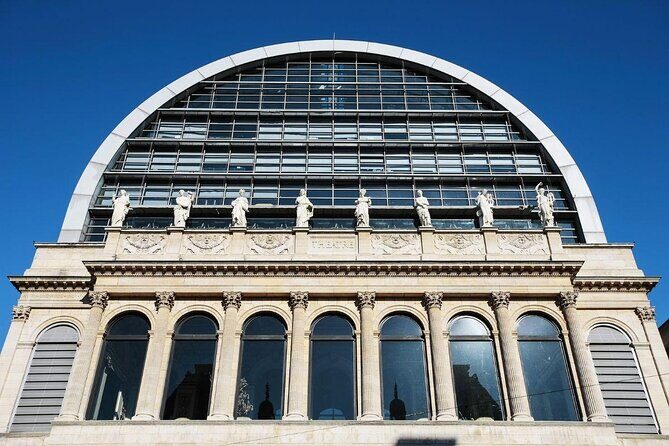
- Opéra Nouvel on the route: Jean Nouvel’s modern opera-house design adds a contrast to the ancient stops
- Roman sites without a long detour: Fourvière ruins, the Amphitheatre of the Three Gauls, and ancient theatre areas
- A breather on the slopes: Jardin des Chartreux / Clos St Benoit helps you reset between the main climbs
Why Lyon’s hills are the best shortcut to real understanding
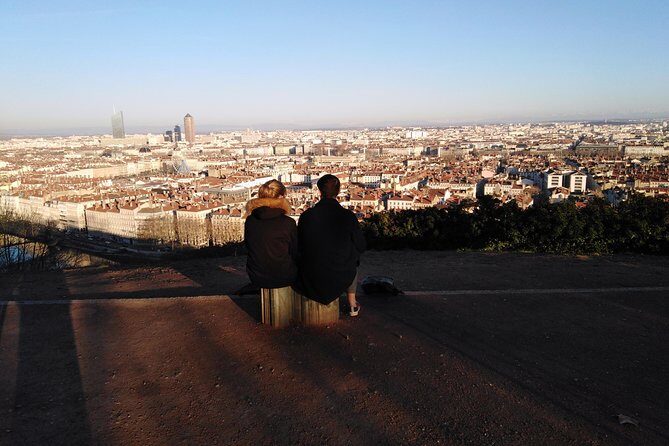
If you want to understand Lyon, you shouldn’t start with a map. You start with the slopes. This tour is built around the idea that the city’s geography is the key—Fourvière rises over the Saône, and Croix-Rousse sits above it with its own identity.
That gives you an efficient “story loop.” You move from modern civic culture at the Opéra area, to the hill neighborhoods that shaped Lyon’s working life, and then down into the Roman footprint. You’ll feel how the city re-uses space: the viewpoints change, but the logic of where people lived and gathered is surprisingly consistent.
Other Lyon highlights and sightseeing tours in Lyon


Where it starts: Place Saint-Jean and the hill walk rhythm

The tour begins and ends back at Place Saint-Jean (69005 Lyon). That matters because you’re not trying to figure out a complicated transfer plan at the start or the end of your day.
The total time is about 2 hours 30 minutes, so you get a focused hit of highlights rather than a full-day grind. The pacing is a walking tour, not a trekking expedition—but with hills, you’ll still want comfortable shoes and a steady pace.
You’ll also want to plan around weather. This experience is described as requiring good weather, so if conditions are rough, you may be offered a different date or a full refund.
Opéra National de Lyon (Opéra Nouvel): modern design on a steep city
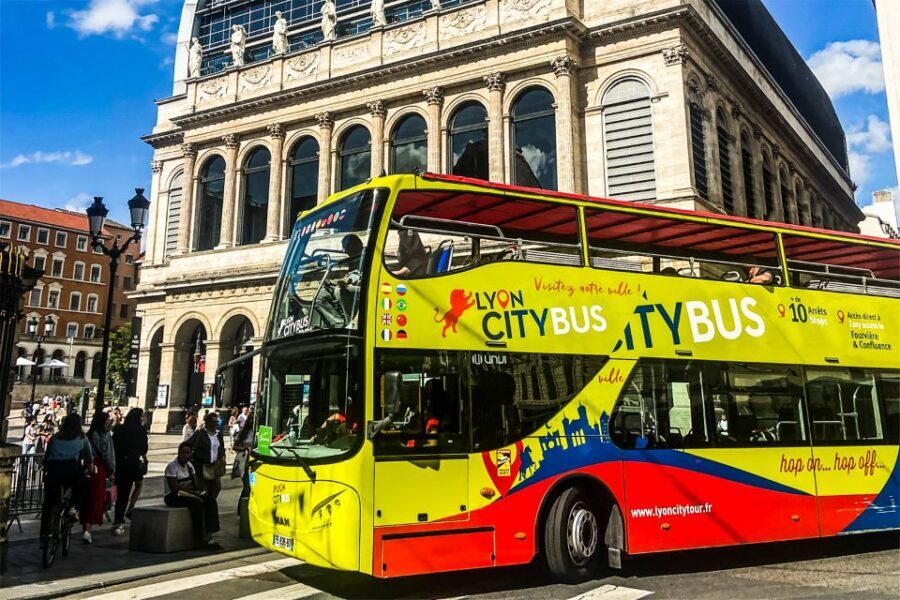
The first stop is the Opéra National de Lyon, housed in the Opéra Nouvel. This building is known for being redesigned by architect Jean Nouvel between 1985 and 1993, with work tied to scenography and acoustics specialists. It’s a quick stop (about 10 minutes), but it sets a tone: Lyon isn’t stuck in the past, even when you’re surrounded by history.
What I like about starting here is the contrast. You’re still in the city, not in a museum. Then you move from this modern cultural landmark toward neighborhoods shaped by elevation and distance from the river.
Tip for your visit: use the first stop to get your bearings. Once you start climbing, you’ll appreciate how the viewpoints line up between hills.
La Croix-Rousse: the hill neighborhood with a built-in story
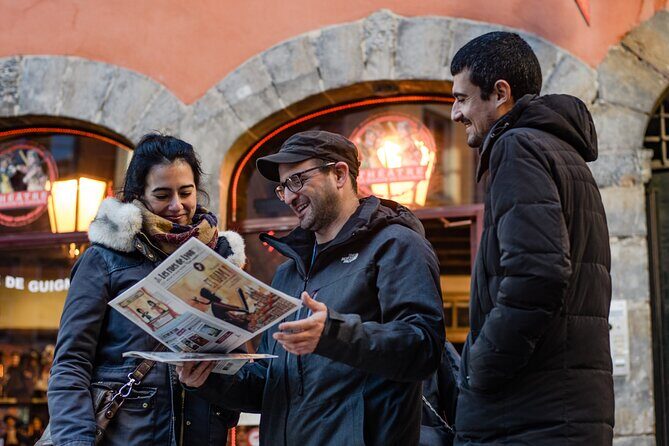
Next you head to La Croix-Rousse, a hill about 254 meters high, plus the neighborhood split between les pentes (the slopes) and the plateau (the top). This isn’t just trivia—where you stand on Croix-Rousse changes how you imagine the past, since the hilltop and the slopes naturally shaped street life and movement.
The name itself has a story: a reddish-brown stone cross erected there in the 16th century gave the place its name, often translated as the russet/red cross. When your guide points that out while you’re on the hill, it helps the neighborhood feel less like a backdrop and more like a place with origins you can trace.
This stop lasts about 1 hour, and it’s also marked as free for admission. That’s a big plus for value: a major part of the experience costs you nothing extra on-site, aside from your time and energy.
Jardin des Chartreux / Clos St Benoit: the calm pause you’ll thank yourself for
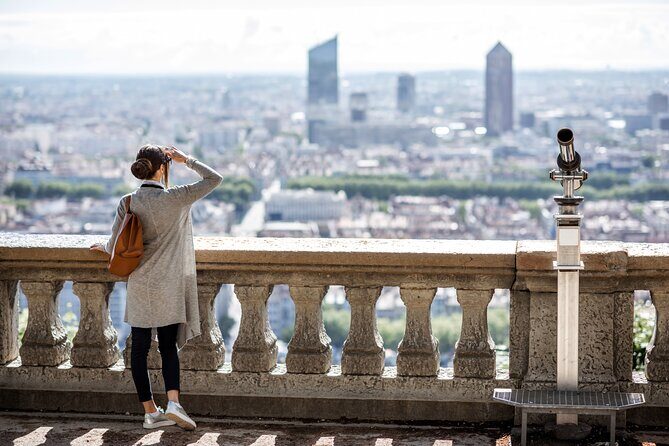
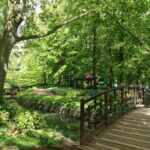
From the lively hill area, you get a small reset at Jardin des Chartreux – Clos St Benoit. It’s a park of about one hectare on the Croix-Rousse slopes, crossed by the pedestrian passage Gonin, linking areas near the General Giraud course and St. Vincent’s wharf.
This is about 15 minutes, and it’s free to visit. I find these short green breaks do something practical: they give your legs a breather, but they also slow your thinking down enough to absorb the history you’ve already heard. When the Roman stops start later, you’ll be glad you didn’t rush straight into them.
If you like taking photos, this is also a good place to do it without feeling like you’re constantly stopping and starting.
Other private tours in Lyon




Fourvière hill: where Lyon’s Roman city becomes visible
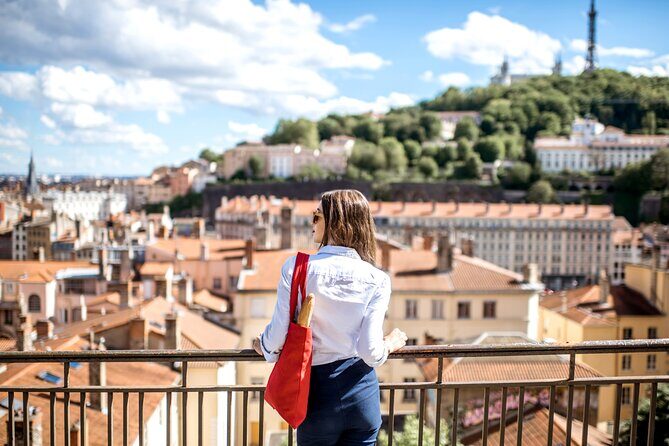
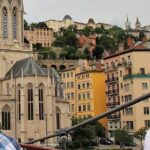
Then the tour climbs to Colline de Fourvière, a district west of Lyon’s old core, rising from the Saône. This is where the tour’s “why this works” becomes obvious. Fourvière is the site of the original Roman settlement of Lugdunum (founded 43 BC), so you’re standing on a layer that predates the modern streets by centuries.
The Roman presence here is described in clear, tangible pieces: the Roman Baths ruins (partially intact), a Roman Theatre dating to 15 BC, and a 2nd-century Odéon that was rediscovered in the 20th century. The Odéon now ties to cultural life again, since it hosts a museum and seasonal concerts and operas.
This Fourvière segment is about 1 hour and is marked as free for admission. From a value standpoint, that’s important—you’re getting the heavyweight sights without stacking up paid entry costs.
One practical note: even when a stop is free, you still need to manage time and footing. Roman areas can feel uneven, and you’ll likely spend more energy walking than you expect.
Amphitheatre of the Three Gauls: politics, religion, and a gathering place
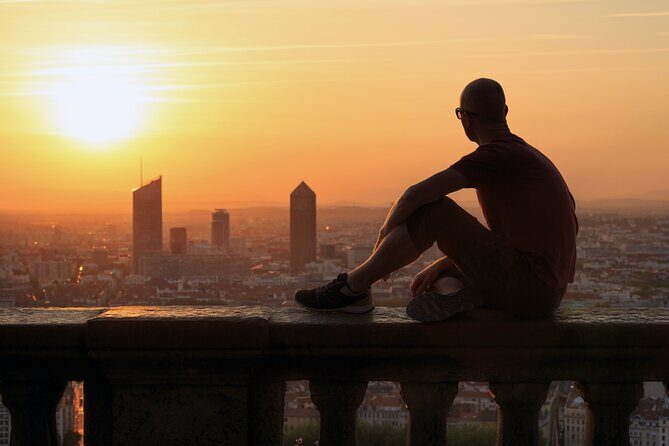
From the broader Fourvière area, the tour includes the Amphitheatre of the Three Gauls (about 10 minutes). This amphitheatre was part of a federal sanctuary dedicated to the cult of Rome and Augustus, celebrated when the 60 Gallic tribes gathered in Lyon.
That’s a lot to fit into a short visit, but it’s exactly the kind of “place-based explanation” that a good hill guide can do. When your guide connects the space to what it was used for—gatherings, loyalty, rituals—it clicks faster than reading a plaque alone.
It’s also listed as classified as a monument historique (in 1961). Even if you’re not a monuments person, I like that these designations often help explain why these sites survived while other things didn’t.
The theatres romains de Fourvière: the stage behind the story
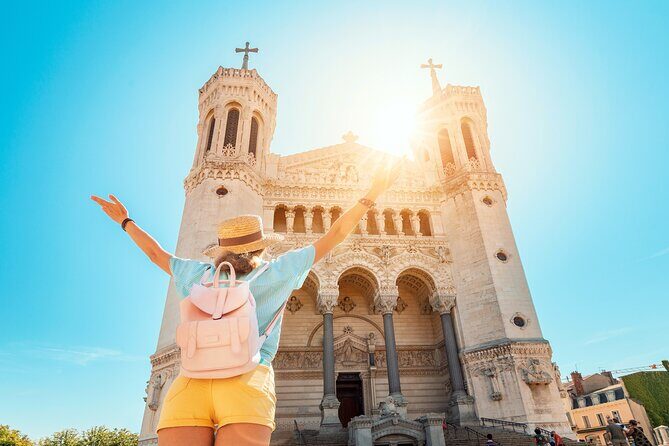
The final cluster on the Roman side focuses on the Theatres Romains de Fourvière, with a visit to the Ancient Theatre of Fourvière (about 15 minutes). This theatre was built on the hill at the center of the Roman city.
What makes this stop worth your time is the way it helps you visualize daily life in Lugdunum. A theatre isn’t just a building—it’s an assembly point for culture and community, which helps balance the amphitheatre’s political-religious framing.
If your legs are feeling it by this point, keep your priorities simple: take in the shape of the site, note the scale, and let the guide’s explanation do the heavy lifting.
Guides make or break a hill tour (and here, it matters)
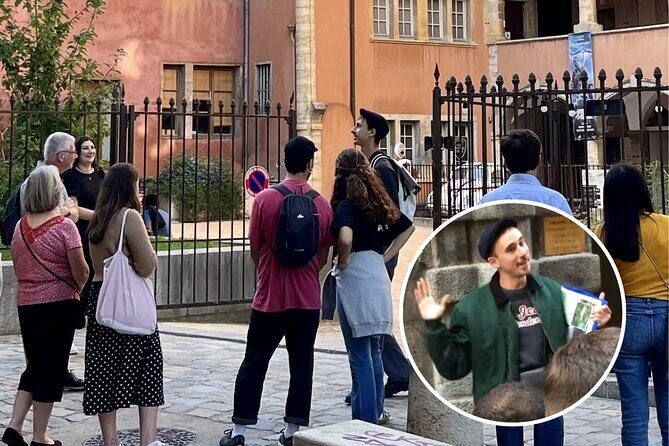
This tour is small—up to 10 travelers—and that’s one reason it works. In a hill setting, a tight group lets the guide adjust the pacing to the people actually walking, not a hypothetical schedule.
The names Didac and Dilac appear in the feedback, and the common thread is adaptation. One guide is described as customizing the route to your interests and adjusting to the group’s needs, including accommodating seniors by using a cable car so steps could be skipped. Another highlight is the guide’s high energy and a knack for making the walks feel fun, even when there’s climbing involved.
So yes, you’ll get facts about Roman Lyon and Croix-Rousse. But what you’re really buying is the translation between stone, street, and meaning.
Price and value: what $108.38 gets you in practice
At $108.38 per person for about 2 hours 30 minutes, you’re paying for a guide plus admission where it applies. The tour states that an entry or admission fee is included, and it also lists several stops as free (Croix-Rousse, Jardin des Chartreux, Fourvière sites, and the Roman theatres/amphitheatre).
One detail worth double-checking: the Opéra stop is marked with admission ticket not included in the stop notes. The overall tour pricing says admission is included, so the most sensible approach is to ask the operator (or check the included items in your booking details) about whether Opéra entry is part of what you’ll do, or if it’s primarily an exterior/area visit.
Either way, the value logic stays solid. A lot of the Roman and hill neighborhood experience here is free on-site, so you’re mostly paying for the guiding and the efficient route between the big areas.
Also, the tour notes group discounts and a mobile ticket, both of which can simplify the day.
Walking level: not hiking, but plan for hills
This experience calls for moderate physical fitness. In plain terms: you’ll be walking, you’ll be climbing, and you may encounter steps along the way.
One piece of reassurance from the feedback: the guide can adapt. If your group needs to avoid certain steps, there’s at least one example where the guide used a cable car option to manage the climbing.
What I’d do as a planner: pack for energy, not for speed. Bring water, wear shoes with good grip, and take breaks when the guide suggests them. This is a hill tour designed to be understood while you move, not a race to tick boxes.
Morning vs afternoon: which one fits your style
You can choose a morning or afternoon tour. For me, morning works best if you like cooler temperatures and a calmer pace for hill walking. Afternoon can feel better if you’re sightseeing earlier in the day and want this to be your main structured experience.
Because this tour depends on weather, you’ll also want to think about forecast stability. If rain is in the forecast, the best strategy is usually to pick the slot that has the clearest outlook, or be flexible enough to switch dates if the operator adjusts.
Should you book this Lyon through its hills tour?
Book it if you want a high-efficiency way to connect Lyon’s two big hill identities: Croix-Rousse and Fourvière. The itinerary makes sense for first-timers who want views plus stories, and for repeat visitors who like seeing Roman Lyon and the working-hill neighborhoods in one guided sweep.
Skip it (or talk to the operator first) if you know you struggle with stairs or longer uphill segments. Even with adjustments, this is still built around hills, and the experience explicitly expects moderate fitness.
If you’re the type who enjoys asking questions and staying a bit flexible, you’ll likely get a better day out of it. The best versions of this tour seem to come from the guide’s ability to tailor the route and keep the walk lively, not just deliver a lecture while you rush downhill.
FAQ
What is the duration of the Lyon hills private tour?
The tour lasts about 2 hours 30 minutes.
How many people are in the group?
It has a maximum of 10 travelers, so it’s a small-group experience.
What language is the tour offered in?
The tour is offered in English.
Where does the tour start and end?
It starts at Place Saint-Jean (69005 Lyon, France) and ends back at the meeting point.
Are entrance tickets included?
The tour says entry or admission fees are included, but the Opéra stop is specifically marked as admission ticket not included in the stop details, so it’s smart to confirm what’s covered for that particular stop.
Is the tour suitable for people with moderate fitness?
Yes. The experience is listed as requiring a moderate physical fitness level, with hill walking involved.
Can I bring a pet or use a service animal?
Animals or pets are allowed, and service animals are allowed.